An audacious collision of camp sensibility, guerrilla street cinema, and acute sociopolitical satire has arrived in the independent arts landscape with the release of Jesus Christ, Diva.
Originating as a playful thought experiment on a crowded Chicago dance floor, the multidisciplinary venture has expanded into a full-length feature film, an original music release, and a pointed commentary on 21st-century attention culture. By situating one of history’s most ubiquitous religious figures directly inside the bustling urban fabric of contemporary Chicago, the production strips away heavy theological pomposity in favor of unvarnished humanity, spontaneous comedy, and razor-sharp cultural inquiry.
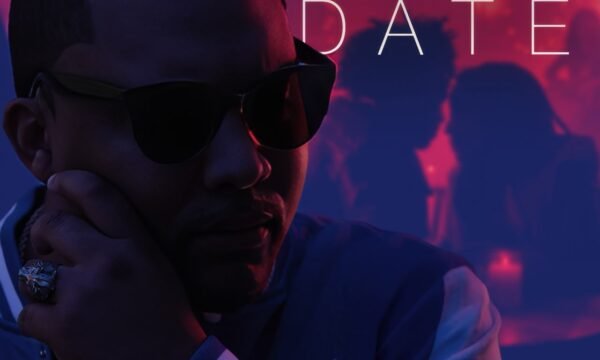
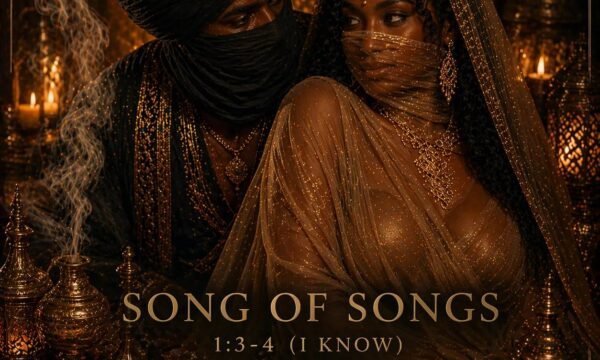
Central to the project’s sonic identity is its driving title track, “Jesus Christ, Diva” (available on YouTube Music), which serves as the musical anchor framing both the opening titles and the closing credits of the feature. Blending infectious electronic dance rhythms with deadpan theatrical wit, the song establishes the film’s distinct narrative frequency before a single line of dialogue unfolds.
From a Drag Race Spark to Guerrilla Street Production
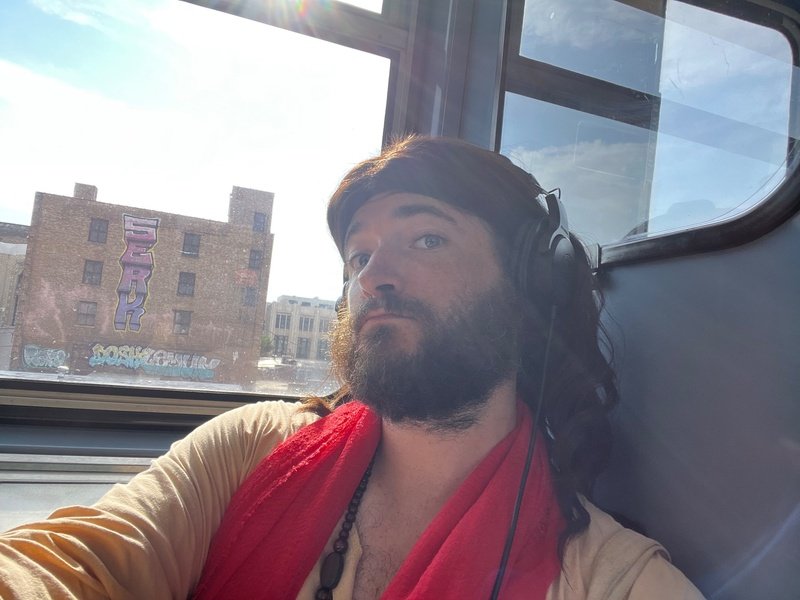
The conceptual genesis of Jesus Christ, Diva took root on a Friday night at Andersonville’s SoFo Tap in Chicago, where an initial flash of absurd humor sparked a much larger creative journey. The founding premise imagined an aspiring drag performer auditioning for RuPaul’s Drag Race dressed as Jesus Christ, only to slowly internalize the persona until becoming genuinely convinced of their own divine return. With two thousand years of instantly recognizable iconography, from flowing linen robes to sacred poses, the character offered an inexhaustible canvas for theatrical reinterpretation.
As detailed in the artist’s creative chronicle on Workshop, what began as a short script quickly evolved across formats, encompassing self-published manuscripts, standup comedy sets at Chicago’s Annoyance Theater, and spontaneous public performance art. “Writing removed most of the practical problems,” Jesus Christ, Diva explains. “Jesus could wander through Manhattan, perform in a nightclub, believe he had returned to save humanity, or do basically anything else without requiring actors, locations, equipment, or much investment.”
The transition from theoretical text to full feature occurred when Andersonville’s massive Midsommarfest street festival began assembling directly outside the production window. Rather than waiting for complex studio permits or elaborate financing rounds, the production stepped directly into the streets in costume. The bustling festival atmosphere provided an organic, unscripted backdrop of drag performers, crowded stages, curious bystanders, and summer revellers.
Memetic Power and the Politics of Attention
Beneath its flamboyant exterior and comedic momentum, Jesus Christ, Diva functions as a sophisticated meditation on memetic communication and digital visibility. In contemporary culture, information moves rapidly through fragmented visual artifacts: short video loops, viral screenshots, and immediate algorithmic feeds. By deploying an archetypal figure recognized worldwide, the film bypasses tedious narrative exposition, inviting viewers to instantly map their own assumptions onto the screen.
“Jesus is particularly useful inside that environment because the image already carries so much meaning,” Jesus Christ, Diva notes. “Everyone recognizes the character, but everyone brings a slightly different version of the character with them.” The project consciously reflects the strange contradictions of contemporary discourse, where religious imagery is aggressively invoked in political power struggles, while an innocent, good-humored Jesus having a drink in an Andersonville tavern can paradoxically register as culturally subversive.
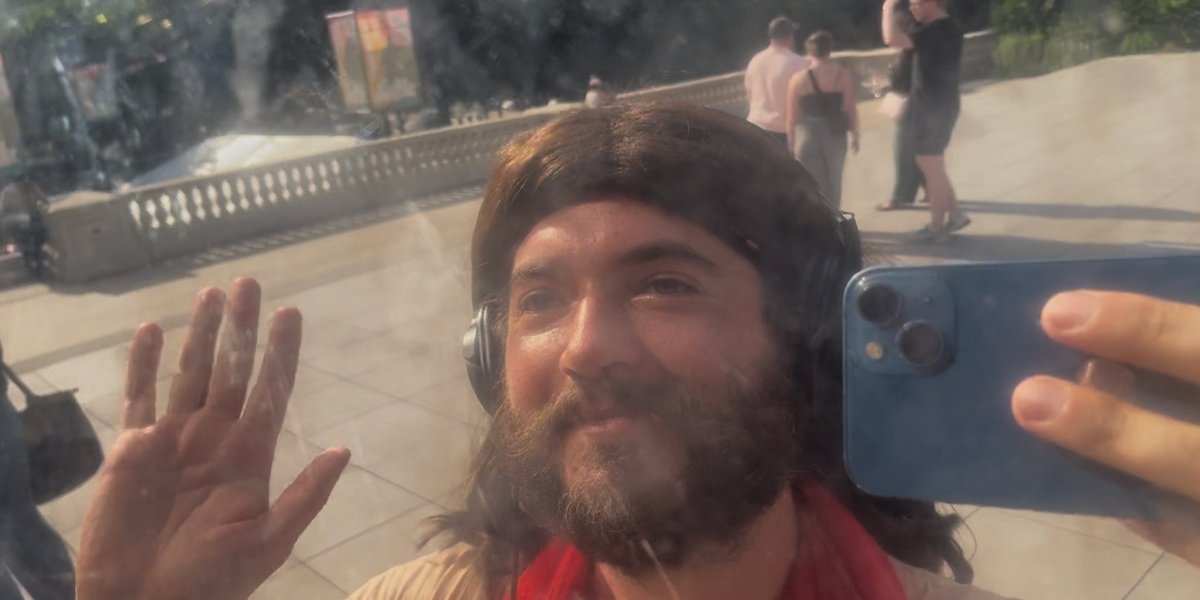
Throughout the film, the central character navigates famous Chicago landmarks, including the Magnificent Mile, Cloud Gate at Millennium Park, and State Street in the Loop. Moving fluidly between scripted comedic beats, direct-to-camera vlogging confessions, and candid interactions with real pedestrians, the narrative questions what it means to seek spiritual purpose in an era dominated by hyper-accelerated media cycles.
Democratizing Independent Creation Across Sound and Screen
The technical realization of Jesus Christ, Diva exemplifies a broader, democratic shift in independent media production. By bypassing legacy gatekeeping structures, modern creators can conceptualize, shoot, score, and distribute feature-length art using commercial digital cameras, home studio workstations, and open streaming channels. The film’s soundtrack demonstrates this nimble creative philosophy, delivering high-energy electronic club energy that stands tall alongside mainstream commercial pop releases.
“It does not cost very much to begin making a film anymore,” Jesus Christ, Diva points out. “A phone or relatively inexpensive camera can shoot it. A computer already being used for other work can edit it. Music can be made at home. It changes something more basic: the distance between having an idea and being able to try it.”
By marrying infectious club pop with guerrilla filmmaking and bold conceptual drag, Jesus Christ, Diva delivers a refreshingly original portrait of modern urban existence. The full-length feature film is now available to stream on YouTube, with the official soundtrack single streaming across major music platforms.