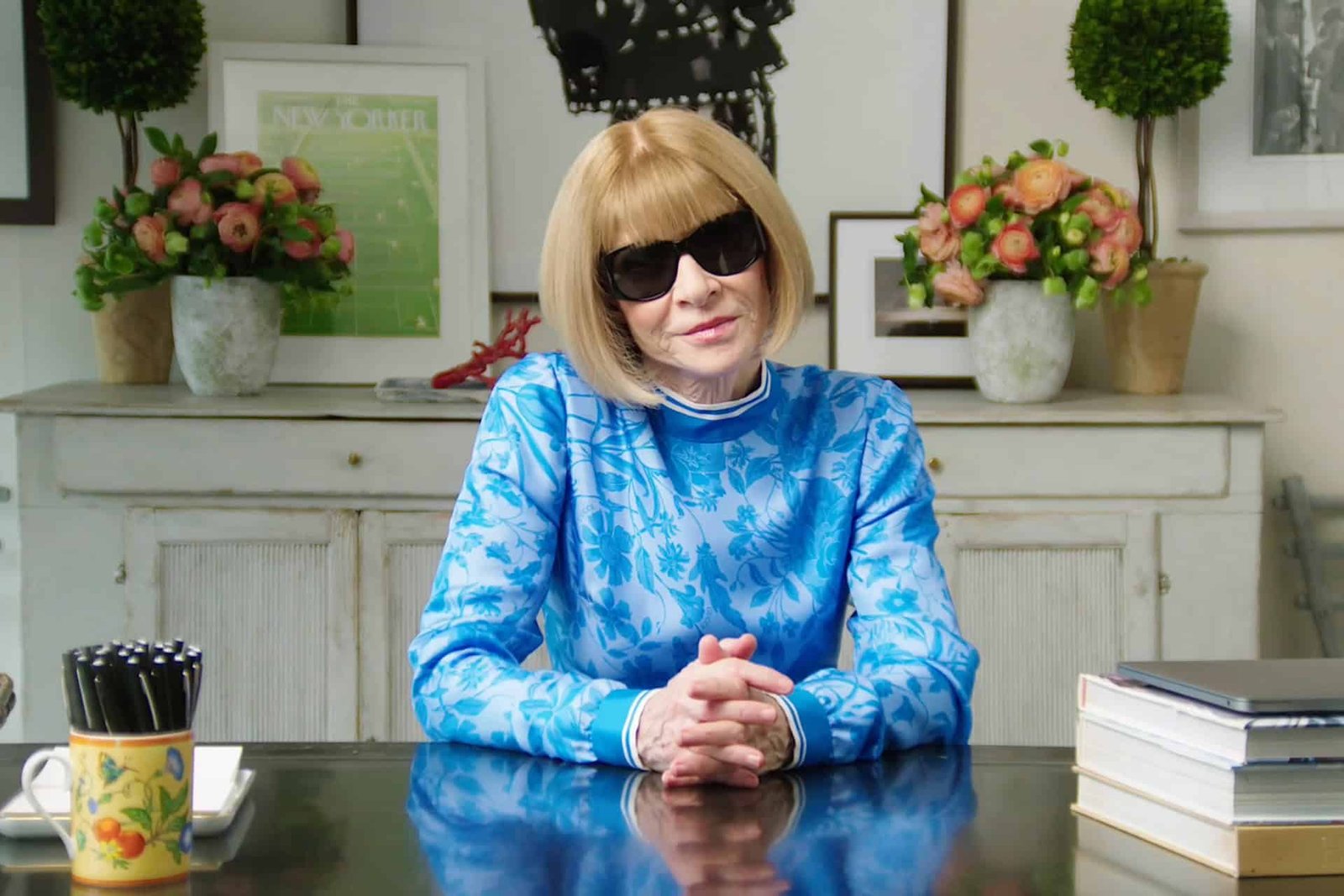
Anna Wintour’s decades-long tenure at the head of Vogue has made her one of the few fashion figures whose personal decisions — who gets a cover, who’s invited to the Met Gala, which designers receive institutional backing — carry direct, measurable influence over which celebrities and musicians the broader industry treats as culturally significant in a given year. That gatekeeping role has made her a subject of cultural fascination well outside the fashion industry itself.
Her stewardship of the Met Gala since the early 1990s turned what had been a relatively modest fundraising event into the single biggest annual convergence of fashion and celebrity culture, with the guest list and dress code decisions she oversees treated as significant industry news in their own right, separate from anything that happens on the night itself.
Her relationships with musicians who’ve become recurring Vogue cover subjects or Met Gala co-chairs have functioned as a kind of institutional endorsement, signaling to the broader industry that an artist has crossed from music-world fame into a more established, fashion-world cultural relevance — a distinction that matters enormously to how an artist’s brand partnerships and public image subsequently develop.
Her portrayal in popular culture, including fictionalized depictions widely understood to be inspired by her, has itself become part of how the public understands her influence, turning her into one of the rare fashion executives whose reputation is legible even to audiences with no particular interest in the industry she runs.