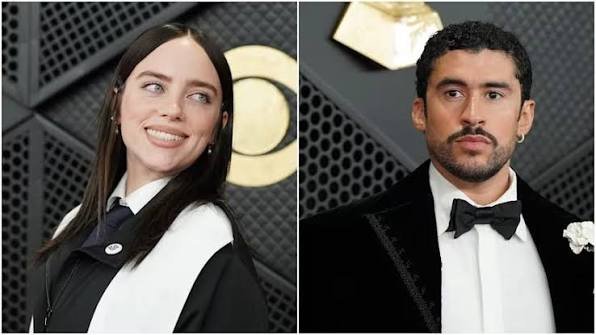
Award-season prediction coverage relies on a combination of publicly available signals — guild award results, critics’ association wins, and box office or streaming performance data — treated as leading indicators for how a broader voting body is likely to lean once major ceremonies hold their own votes later in the season. The Grammys’ Bad Bunny win and Billie Eilish and Lola Young’s upset victories in 2026 are a useful reminder of the format’s limits: even well-supported predictions get overturned once actual voting bodies weigh in.
Prediction outlets typically track precursor awards specifically because many major ceremonies’ voting bodies overlap significantly with the membership of smaller guild and critics’ organizations that vote and announce earlier in the season, making those results a genuinely useful, if imperfect, predictive signal.
Campaign strategy on the part of labels, studios, and publicists has become an increasingly visible and analyzed part of the prediction conversation, with strategically timed media appearances and targeted advertising aimed at influencing voting-body sentiment ahead of key ballot deadlines — campaign strategy itself is now something prediction outlets actively track and discuss as its own storyline.
Despite increasingly sophisticated methodology, award-season forecasts still get meaningfully upset on a regular basis, a reminder that voting bodies remain made up of individual people whose final decisions can diverge from even well-supported statistical or precedent-based predictions.