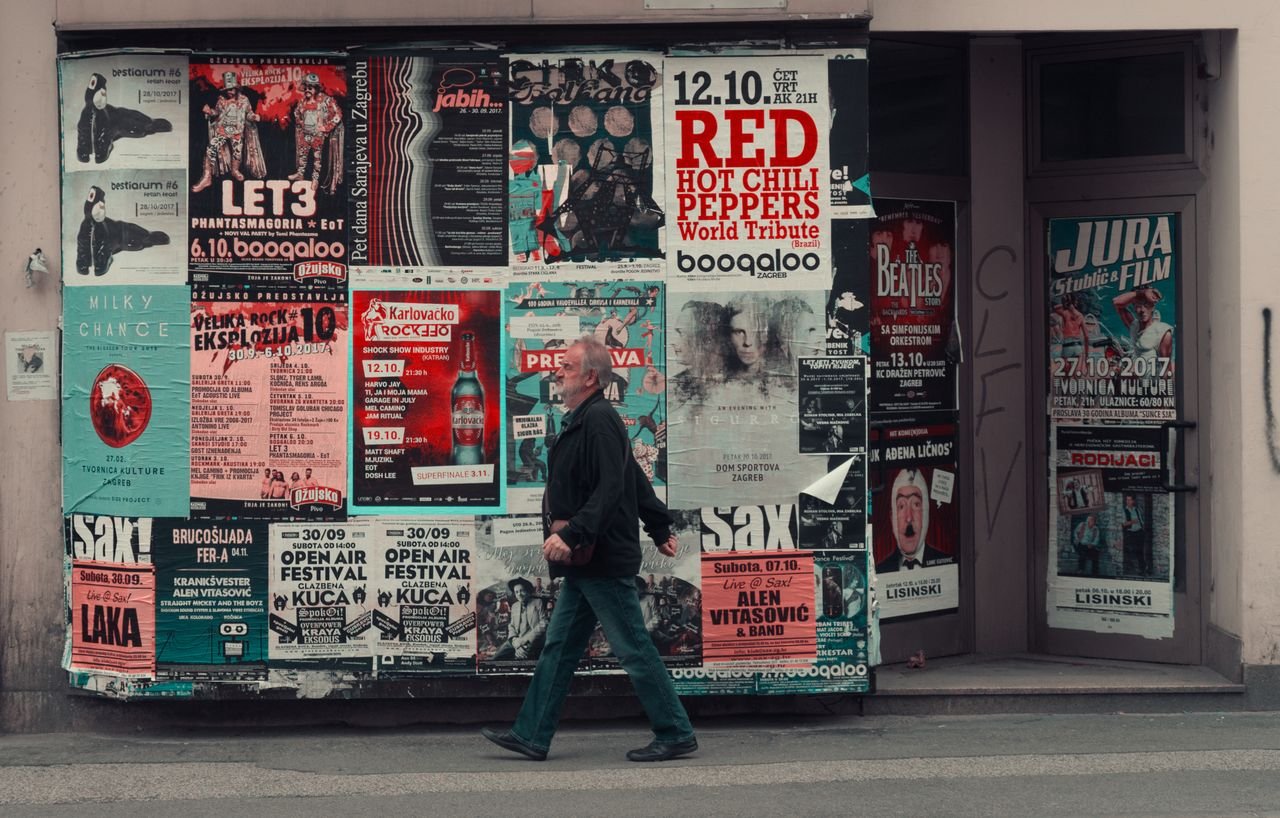
Album rollouts have evolved from a relatively simple sequence — announce, release a lead single, drop the album — into elaborate, multi-week marketing campaigns involving coordinated visual teasers, scheduled social media reveals, and carefully sequenced single releases designed to build sustained anticipation rather than a single announcement moment. That shift reflects both increased competition for listener attention and the reality that streaming platforms reward sustained engagement over a longer window rather than a single release-day spike.
Visual and thematic consistency across an entire rollout — specific color palettes, recurring imagery, coordinated fashion choices — has become a standard expectation, effectively turning an album cycle into a comprehensive brand campaign where the music, marketing, and even red carpet appearances during that period are expected to reinforce a single cohesive concept.
Surprise releases, pioneered at scale by Beyoncé’s 2013 self-titled album, introduced an alternative strategy entirely, betting that eliminating advance promotion in favor of a single unexpected drop could generate more organic media coverage than a traditional extended campaign — an approach several major artists have since adopted for specific releases, though it remains the exception rather than the standard rollout model.
The overall effect has been to make the album rollout itself a subject of ongoing media analysis, with entertainment outlets covering the marketing strategy and rollout mechanics as a story distinct from reviewing the music, treating the campaign as a genuine creative and strategic exercise in its own right.