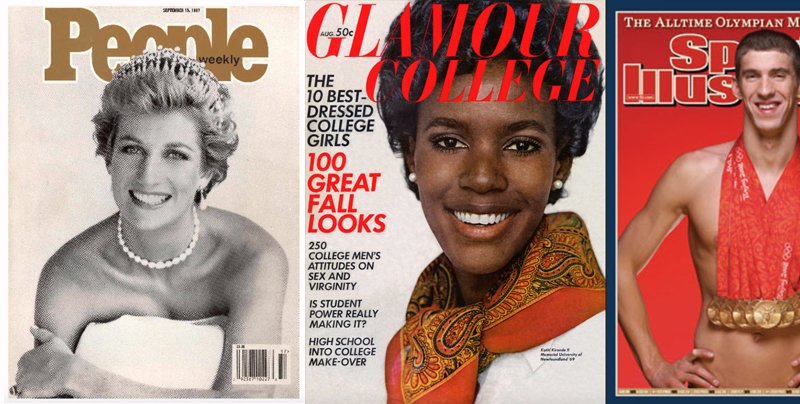
Magazine covers have historically functioned as a specific kind of cultural marker, often capturing an artist or celebrity at a precise inflection point in their career — a debut, a comeback, a public reinvention — in a way that becomes the defining visual reference for that entire era afterward, regardless of how much other coverage that period generated.
The most iconic covers tend to involve genuine creative collaboration between the celebrity, a specific photographer, and the magazine’s creative team, producing an image with enough conceptual ambition to stand on its own rather than serving purely as advertising for whatever project the cover was ostensibly promoting. That collaborative ambition is part of why certain covers remain referenced and recreated years after their original publication.
Cover shoots tied to a significant personal announcement or public statement — coming out, addressing a controversy directly, or marking a major life change — have historically generated some of the format’s most discussed and analyzed examples, with the image itself often becoming inseparable from the statement it accompanied.
As print media’s cultural centrality has declined relative to digital and social platforms, the format has had to adapt, with many major covers now designed explicitly with social media sharing in mind, but the underlying function has stayed consistent: a well-executed cover can still crystallize how the public remembers a specific chapter of a celebrity’s career more effectively than almost any other single piece of media.