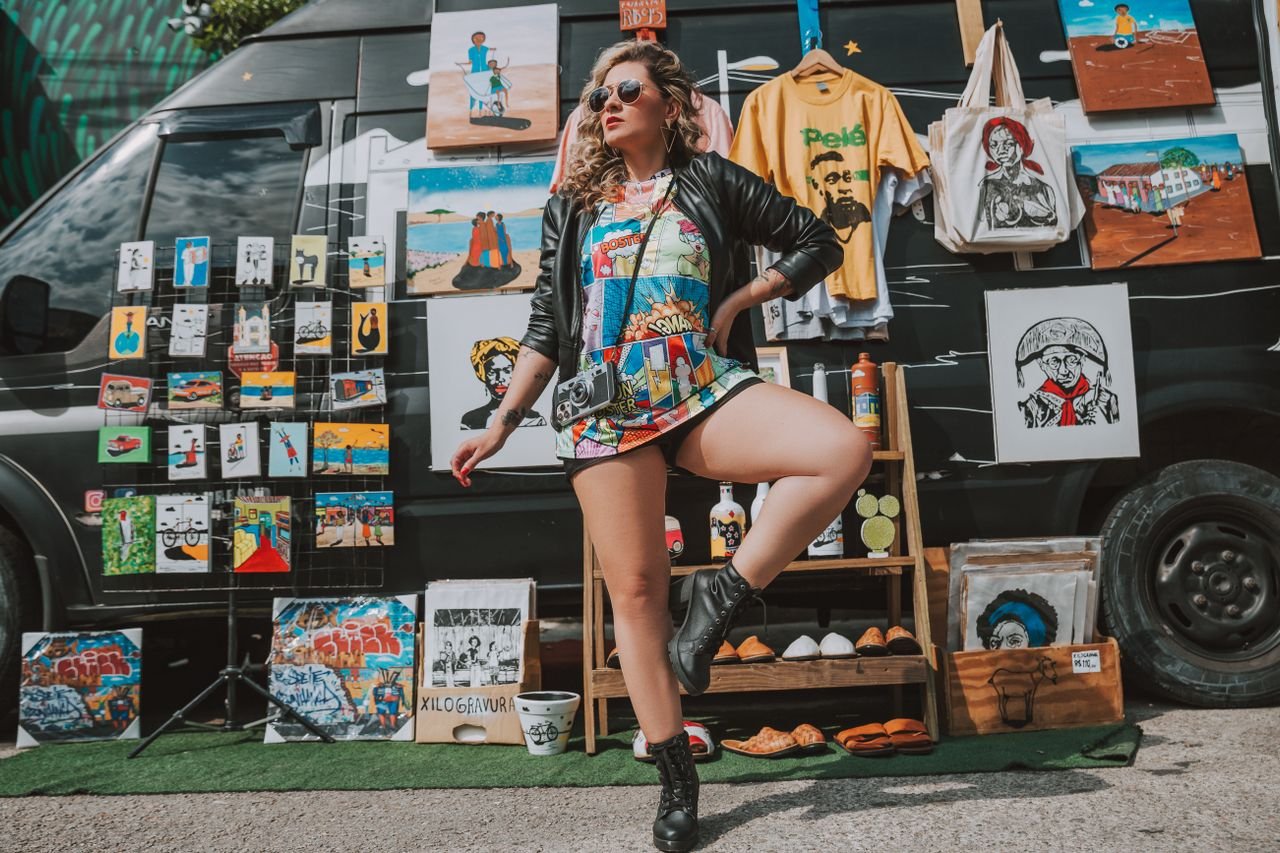
Music merchandise has moved substantially beyond its origins as a simple souvenir category — basic t-shirts and posters sold at the venue primarily as tour keepsakes — into a genuine fashion category, with major artists now designing full merchandise collections in collaboration with established fashion designers and streetwear labels rather than treating merch as an afterthought separate from their broader creative identity.
Vintage band merchandise from decades past has simultaneously become a significant secondhand fashion category in its own right, with original tour shirts from iconic tours commanding prices at resale that far exceed their original retail cost, driven by both genuine music fandom and a broader fashion interest in vintage graphic tees as a style category independent of any specific attachment to the artist.
Current artists have responded to that vintage-merch fashion trend by treating their own merchandise design with considerably more visual ambition than the format historically required, working with the same stylists and creative directors involved in their broader visual identity to ensure tour merchandise reflects the same aesthetic sophistication as their music videos and album art.
The overall shift reflects merchandise’s growing importance as both a revenue stream and a genuine extension of an artist’s fashion identity, treated increasingly as a legitimate design category worthy of the same creative investment as any other visual element of an album era.