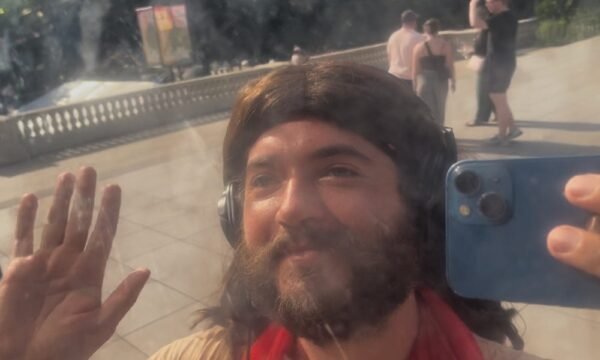
Turtle Club is the son of a poet and a playwright, so it is fitting that his songs feel like small, self-contained worlds. Working from a self-built makeshift studio in Milan, Italy, he writes, plays (nearly) every instrument, produces, engineers and masters his own records. The result is a sun-bleached blend of shoegaze, garage pop and indie pop, shaped by Teenage Fanclub, My Bloody Valentine, The Beatles and Pink Floyd’s Richard Wright.
His latest single, “Cheers,” pushes that sound into darker territory. It is a shoegaze descent into paranoia, where the line between self and stranger starts to dissolve. Distorted guitars and swirling textures capture a mind caught between suspicion and revelation. Bursts of energy erupt along the way, like manic celebrations of a reality coming apart. The title’s toast gains a nervous edge: a party where you can’t be sure who is in the room, or whether you are still the same person who walked in.
The sound of an unravelling mind
The production suits the theme. “Cheers” was recorded to analogue tape at Turtle Club’s Milan studio, and it embraces raw imperfection rather than polishing it away. The disorientation is part of the design: it is a record about a world where madness starts to feel like home, and it sounds like it was made there.
The guitars show the scale of that ambition. The final session file contained 34 separate guitar parts, each recorded with different EQ and pickup settings. Rather than layering everything at once, Turtle Club auditioned, picked and chose among those takes, assembling the guitars on the master from the best fragments of each. The wall of sound has a deliberate shape, with every texture chosen against dozens of alternatives.
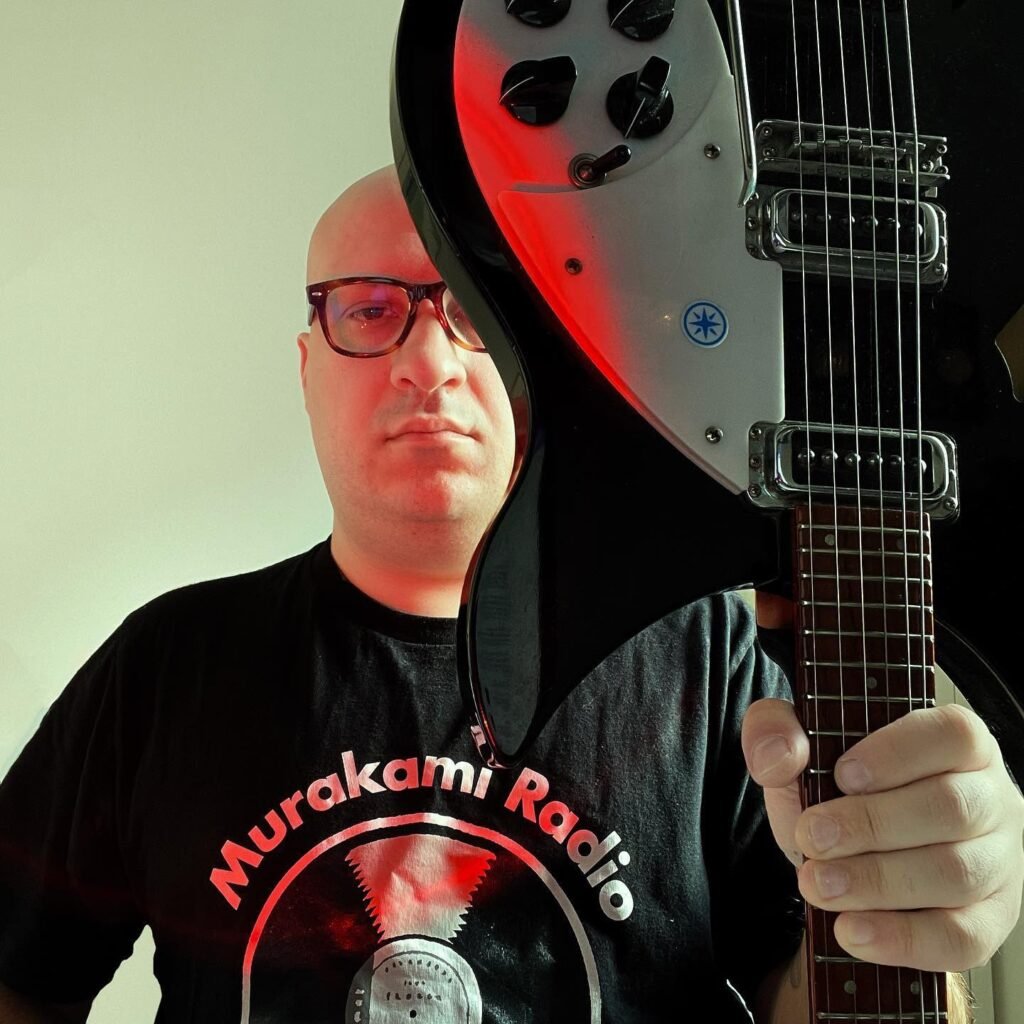
That approach is typical of his craft. Buzzsaw guitars sit beside oddball synths and forgotten instruments (harmonium, anyone?), and the multi-tracking never loses the human feel that tape brings.
Why it matters
Plenty of shoegaze leans on atmosphere alone. “Cheers” pairs the genre’s blur with a clear emotional idea and the discipline of a one-person studio. It marks Turtle Club as a songwriter-producer who treats the studio as an instrument and imperfection as a feature.
Listen to “Cheers” on Spotify: