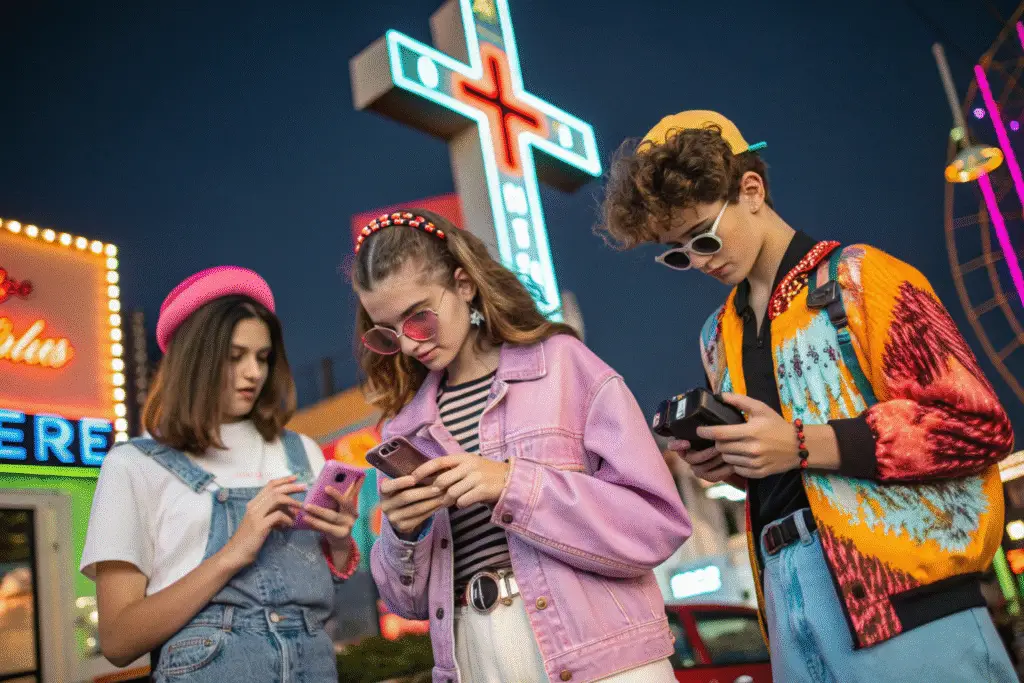
Nostalgia cycles in fashion and culture tend to resurface roughly twenty years after a trend’s original peak, which lines up almost exactly with the 2000s aesthetic wave currently dominating social media, music videos, and celebrity styling. That timing alone explains part of the trend, but the specific intensity of this particular revival owes a lot to how much 2000s pop culture — paparazzi photos, early reality TV, flip-phone-era imagery — has been actively re-circulated and reframed by younger audiences on video platforms, often stripped of the context that made some of that era’s celebrity treatment genuinely uncomfortable in hindsight.
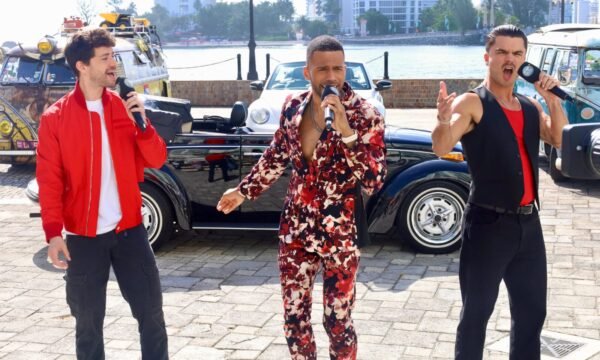
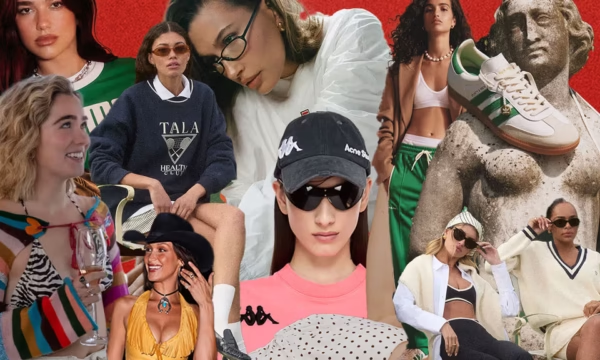
The aesthetic itself covers a fairly specific visual vocabulary: low-rise everything, chunky highlights, rhinestone accessories, and a generally more maximalist, unpolished glamour than the more minimal 2010s that followed it. Musicians have leaned into the revival both sonically and visually, with production styles referencing early-2000s pop and R&B alongside the styling that accompanies it.
What separates this cycle from a typical trend resurgence is the added layer of reassessment: alongside the aesthetic nostalgia, there’s been a genuine cultural reckoning with how tabloid and paparazzi culture treated female celebrities during the actual 2000s, meaning the revival exists alongside pointed critical commentary about the decade rather than uncomplicated nostalgia.
That tension — celebrating the look while critiquing the culture that produced it — is part of why 2000s nostalgia content performs so well across social platforms: it offers both the visual pleasure of a specific aesthetic and a ready-made critical conversation about how far celebrity culture has or hasn’t actually changed since.