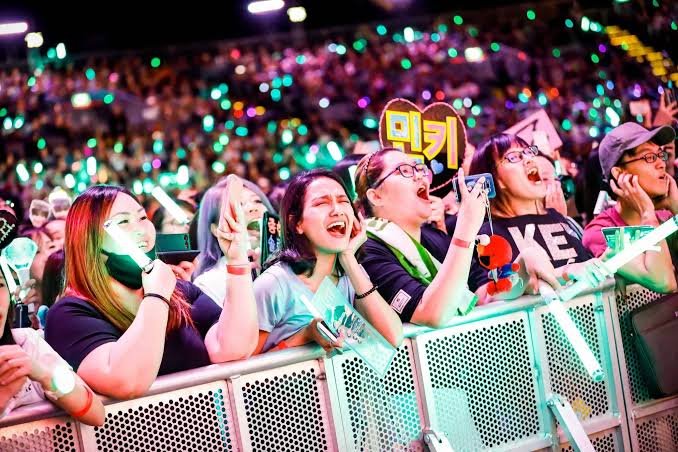
Fan-made edits — short, often music-scored video montages celebrating a specific artist, moment, or even an imagined relationship between celebrities — have become one of the dominant formats through which younger audiences engage with musicians online, frequently generating more views and engagement than an artist’s own official content. That shift reflects a broader change in how fandom operates: audiences aren’t just consuming an artist’s output, they’re actively remixing and recontextualizing it into their own creative expressions.
The parasocial dimension of this culture — the one-sided sense of intimacy and familiarity fans develop with celebrities they’ve never met — has intensified alongside the rise of platforms that emphasize direct-feeling, unfiltered content, like short vertical videos and livestreams, which can make an artist feel more personally accessible than a traditional interview or music video ever did. Psychologists and culture writers have increasingly discussed how that heightened sense of intimacy shapes fan behavior, sometimes in ways artists themselves have described as overwhelming or uncomfortable.
Several high-profile artists have addressed this directly in recent years, drawing clearer public boundaries around what fans are and aren’t entitled to — personal space, private information, real-time location — pushing back specifically against the assumption that parasocial familiarity translates into an actual claim on an artist’s time or life.
The tension at the center of this culture is unlikely to resolve cleanly: fan edits and parasocial engagement are also part of what drives an artist’s visibility and commercial success, meaning the same dynamics that create discomfort for artists are simultaneously part of what makes modern fandom so powerful a promotional force.