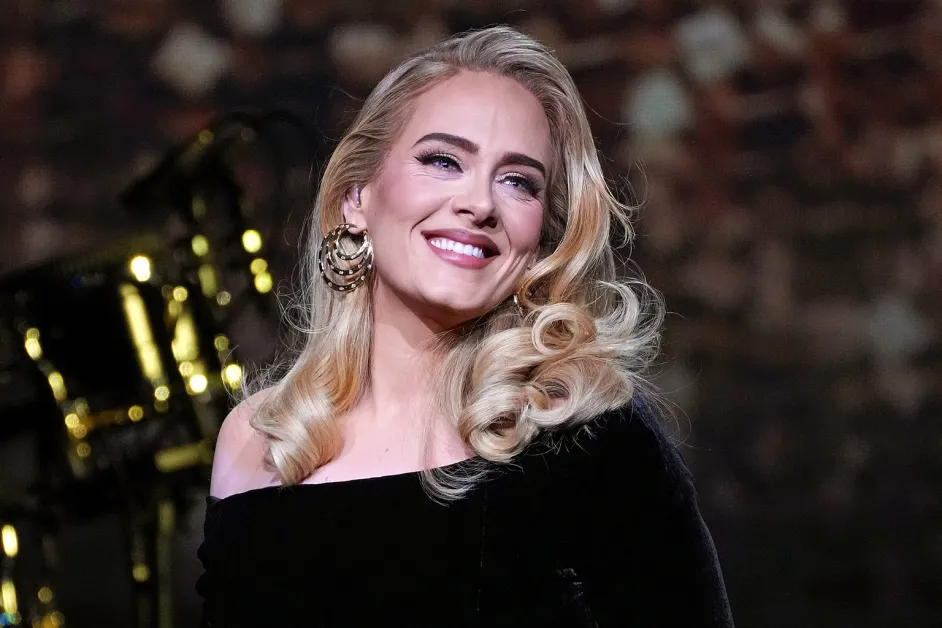
Adele’s interviews have a well-documented reputation for a specific contrast: songs built almost entirely around heartbreak and vulnerability, delivered by an interview subject widely described as blunt, self-deprecating, and frequently very funny. She’s addressed that gap herself, noting in multiple profiles that she processes pain through songwriting precisely so she doesn’t have to carry it into everyday conversation, which she’d rather keep light.
She’s been consistently candid about the real relationships and events behind her albums — the breakup behind 21, the marriage and divorce behind 30 — while also setting clear limits on how much further she’s willing to go in interviews once an album’s central story has been addressed. That combination of openness about the broad strokes and firmness about the details has become a recognizable pattern across her press cycles.
On fame, she’s spoken repeatedly about resisting the more relentless promotional demands of the music industry, including her choice to take extended breaks between albums rather than maintaining constant public visibility, framing those gaps as necessary for her mental health and creative process rather than a lack of ambition.
Interviewers consistently note that she treats press appearances more like conversations with an old friend than promotional obligations, which is part of why her interviews are as frequently quoted for humor as for insight into her songwriting.