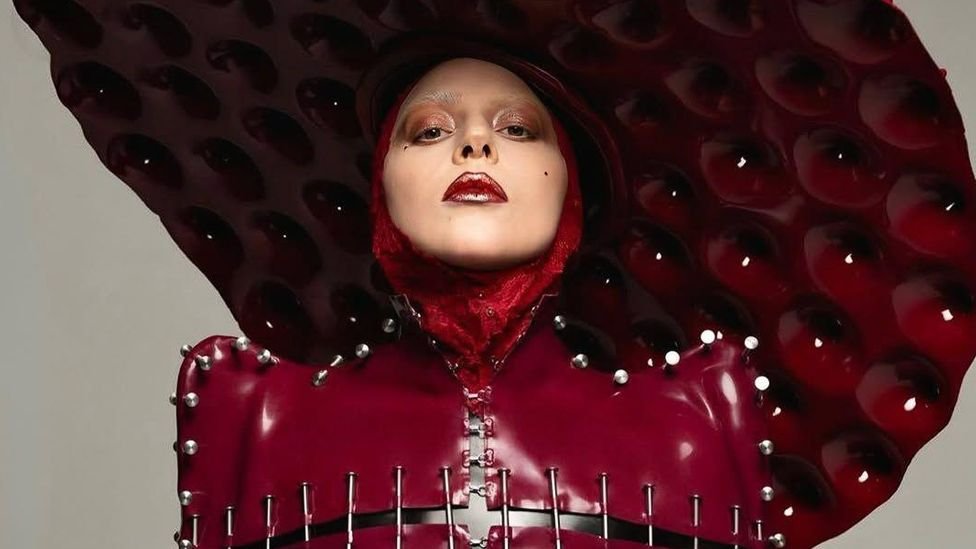
Lady Gaga has treated interviews as an extension of her art for most of her career, often speaking about fame itself as a subject rather than just a byproduct of success. In multiple profiles around The Fame and The Fame Monster era, she described her early persona as a deliberate character built to explore celebrity culture, rather than a natural extension of her own personality — an unusually self-aware framing for a pop star still establishing herself.
Her press around A Star Is Born shifted register noticeably, with multiple interviews focused on mental health, and she’s spoken candidly about living with chronic pain and PTSD, framing those disclosures as part of a broader effort to make artists’ struggles less stigmatized. That willingness to discuss vulnerability alongside her more theatrical public image has made her interviews feel unusually layered compared to a typical pop star press cycle.
She’s also been consistently vocal in interviews about her collaborators, crediting producers and songwriters by name far more often than is typical, and has spoken repeatedly about her creative partnership with Tony Bennett as one of the most meaningful of her career, describing their jazz recordings as a kind of refuge from pop stardom’s demands.
Across eras, what stands out in her interviews is the pattern of using press coverage to explain the thinking behind a reinvention rather than just promoting the resulting music — treating the interview itself as part of how each era gets understood.