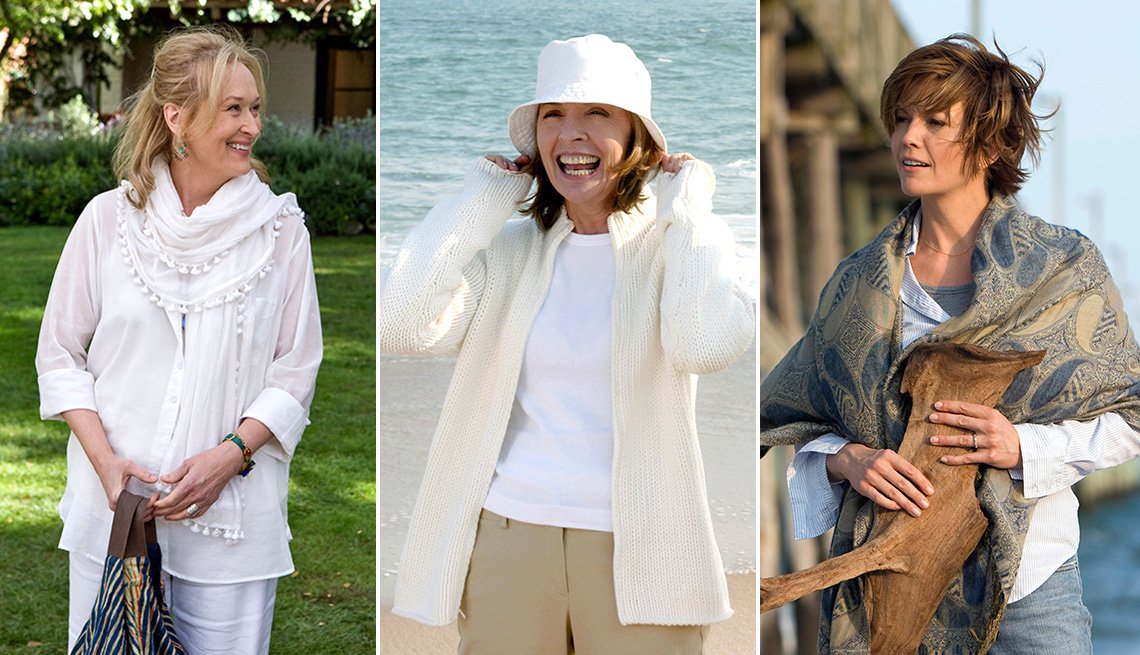
Aesthetic labels like “coastal grandmother,” “cottagecore,” and “dark academia” describe complete lifestyle moods rather than single clothing trends, typically combining a specific color palette, home decor sensibility, and even implied pace of life into one shorthand term that can be applied across fashion, interior design, and even food content. “Coastal grandmother,” for example, evokes relaxed linen clothing, neutral tones, and an unhurried, seaside-adjacent domestic life, drawing loosely on the aesthetic of certain film characters and older celebrity style icons rather than any single defined source.
These labels function differently from traditional fashion trend names because they’re explicitly aspirational about an entire way of living, not just an outfit, which is part of why they spread so effectively across platforms that reward lifestyle content broadly rather than fashion content specifically. A single aesthetic label can generate home decor posts, recipe content, and outfit breakdowns simultaneously, each reinforcing the same overall mood.
The proliferation of increasingly specific aesthetic labels — with new variations emerging and fading within months — has become its own recurring cultural conversation, with critics debating whether the trend reflects a healthy creative outlet for personal style exploration or an increasingly commodified, algorithm-driven approach to identity that reduces personal taste to a shoppable category.
Regardless of that debate, the format has proven durable: new aesthetic labels continue to emerge regularly, suggesting the appetite for a tidy, shareable shorthand to describe a personal style mood shows no sign of slowing down.