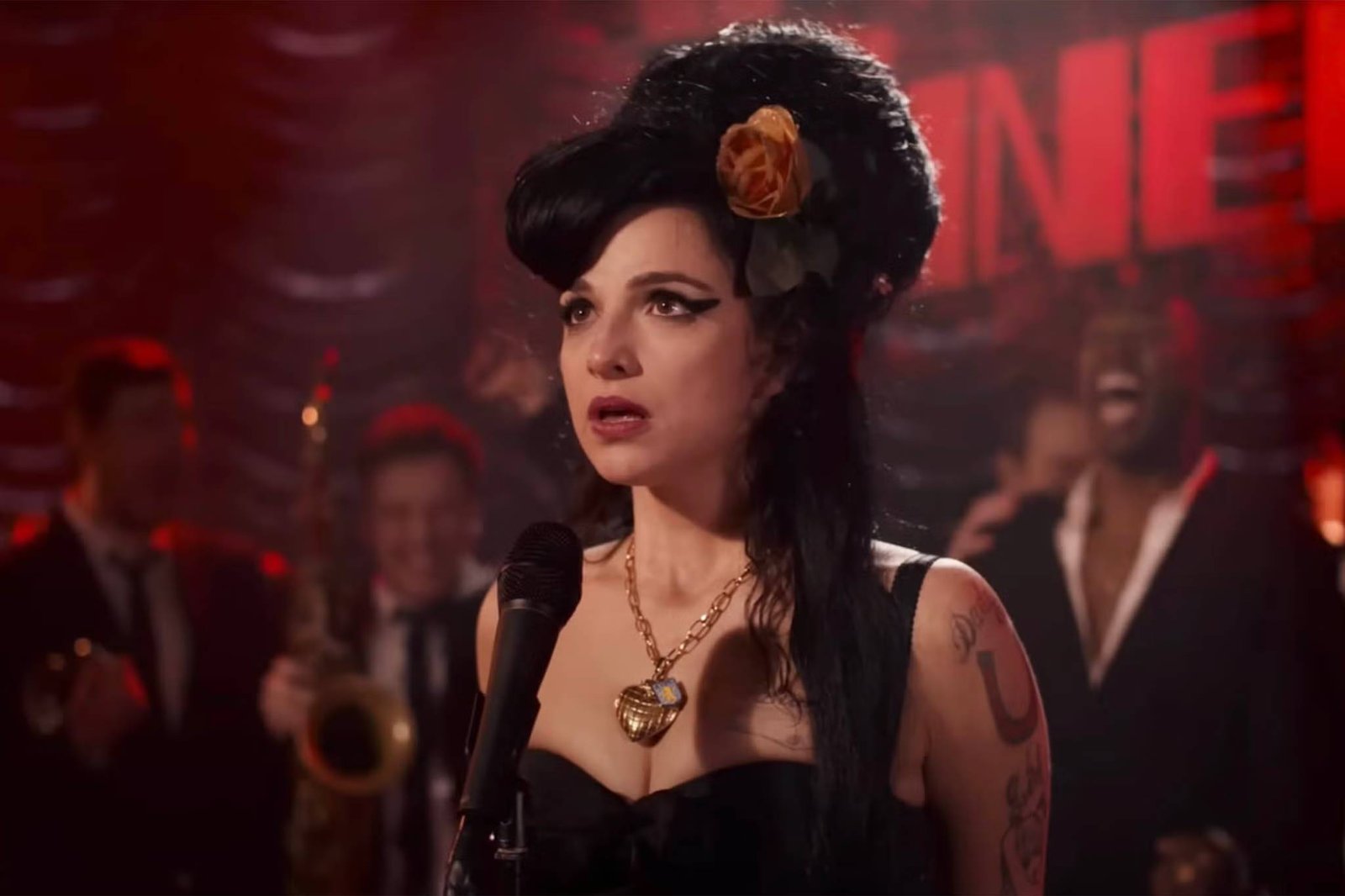
Back to Black’s influence on the sound of mainstream pop and R&B in the years following its release is difficult to overstate: its blend of 1960s girl-group and soul production with unusually direct, unglamorous lyrical honesty about addiction, heartbreak, and self-destruction opened space for a wave of artists to bring similarly retro-informed but lyrically raw material into the mainstream, well beyond the specific soul revival sound the album helped popularize.
The album’s commercial success ran alongside, and was inevitably complicated by, extensive media coverage of Amy Winehouse’s personal struggles, coverage that in retrospect has been widely criticized as exploitative and lacking in basic compassion — a reassessment that’s become a significant part of how the album’s legacy is now discussed, alongside its purely musical influence.
Producer Mark Ronson’s work on the record, blending vintage instrumentation with modern production techniques, established a template that numerous subsequent artists and producers have drawn on, and the album’s influence is regularly cited in discussions of the broader 2000s and 2010s soul-pop revival that followed its release.
Two decades later, the album occupies a complicated cultural position: celebrated as one of the most important and influential records of its era, while also serving as a frequently cited case study in how tabloid media coverage of a struggling artist can overshadow and ultimately outlast appreciation for the work itself — a tension that continues to shape retrospective coverage of both the album and its creation.