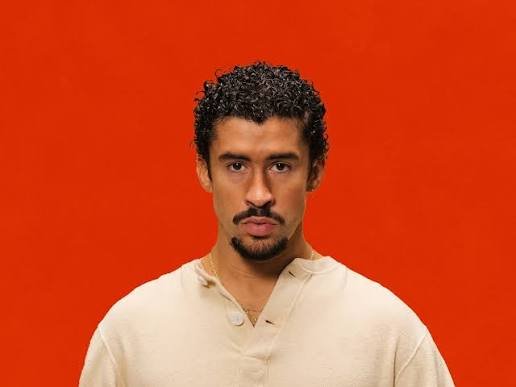
Bad Bunny’s interviews consistently return to a single, deliberate choice: releasing music almost entirely in Spanish despite achieving a level of global success that, historically, has pushed other Latin artists toward English-language crossover material. He’s addressed this directly on multiple occasions, framing the decision as a matter of authenticity rather than a limitation, and noting that his audience’s growth proved the crossover wasn’t necessary in the way the industry had long assumed.
He’s spoken about fame itself with a degree of ambivalence unusual for an artist at his commercial level, discussing in interviews the strangeness of extreme visibility clashing with a personality he’s described as still fundamentally private and rooted in Puerto Rico, where he’s continued to live and record rather than relocating to a larger industry hub.
On his range of activities outside music — acting roles, professional wrestling appearances, fashion collaborations — he’s framed these consistently in interviews as genuine interests rather than calculated brand extensions, pushing back gently on the idea that a global star needs to stay within a single, tightly managed lane.
Across his press coverage, what comes through most is a comfort with contradiction: intensely famous but protective of his privacy, commercially enormous but insistent on doing things his own way, linguistically and otherwise, without treating that insistence as a grand statement.