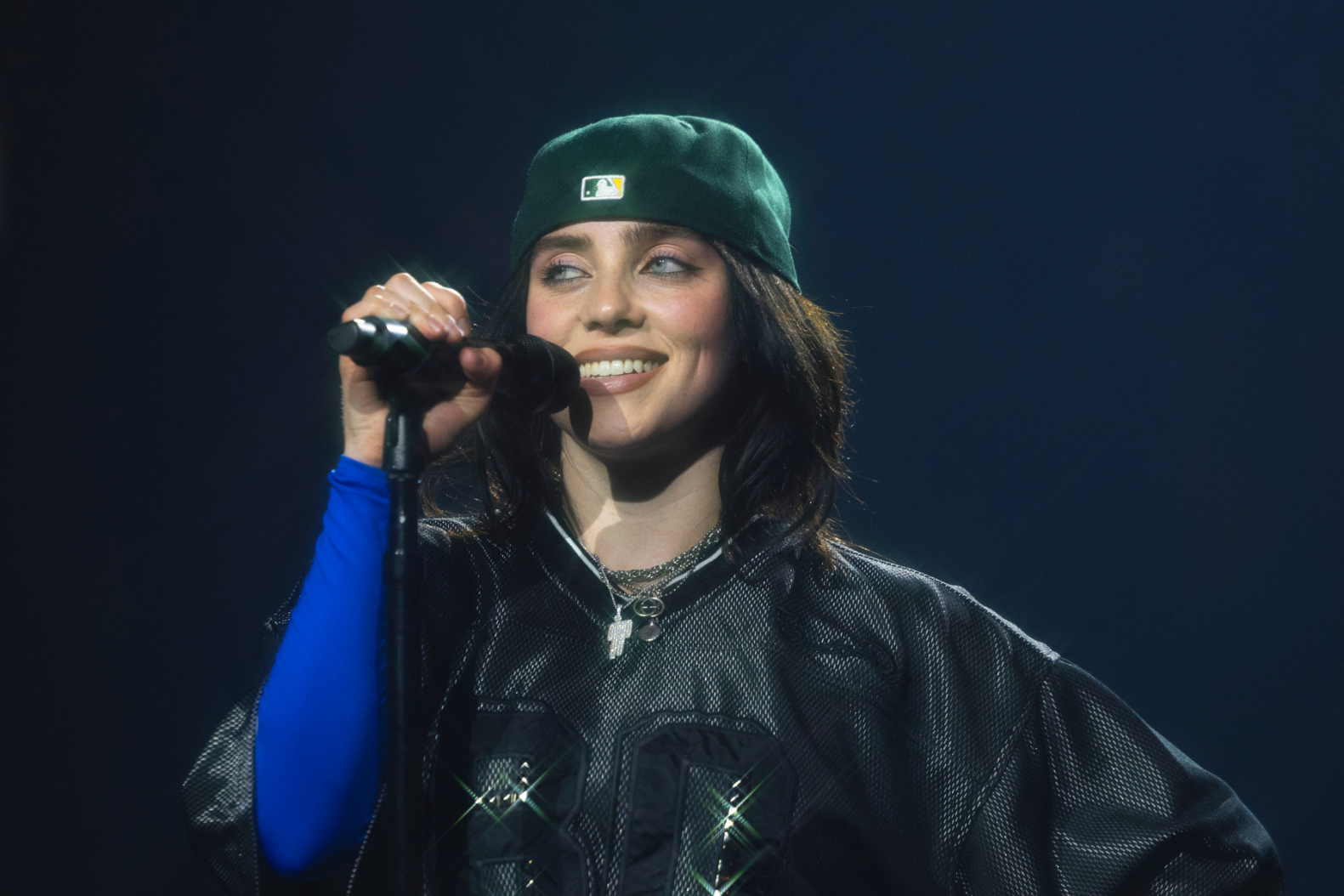
Billie Eilish’s interviews from her teenage breakout years are notable for how directly she discussed discomfort with fame while still living through its earliest, most disorienting stages — describing in multiple profiles the strangeness of being recognized in public before she’d fully processed her own sudden visibility. That candor, unusual for an artist that young, became a consistent feature of how she’s covered.
She’s spoken at length, particularly around Happier Than Ever, about the specific pressure of public scrutiny of her body, referencing her earlier choice to wear deliberately oversized clothing partly as a response to online commentary about her appearance, and has been direct in interviews about how uncomfortable that scrutiny made her, regardless of the styling choices she made to manage it.
Her interviews have also addressed her creative partnership with her brother FINNEAS in unusually specific detail, describing their process as close to a genuine creative marriage — disagreements included — rather than a simple sibling collaboration, which has helped demystify how a nearly entirely in-house creative team can produce Grammy-sweeping records.
More recently, she’s discussed sexuality and identity with a directness that generated significant coverage on its own, treating it in interviews as simply part of who she is rather than a major announcement requiring a separate narrative arc — a low-key approach that itself became a talking point in how her interviews are discussed and shared.