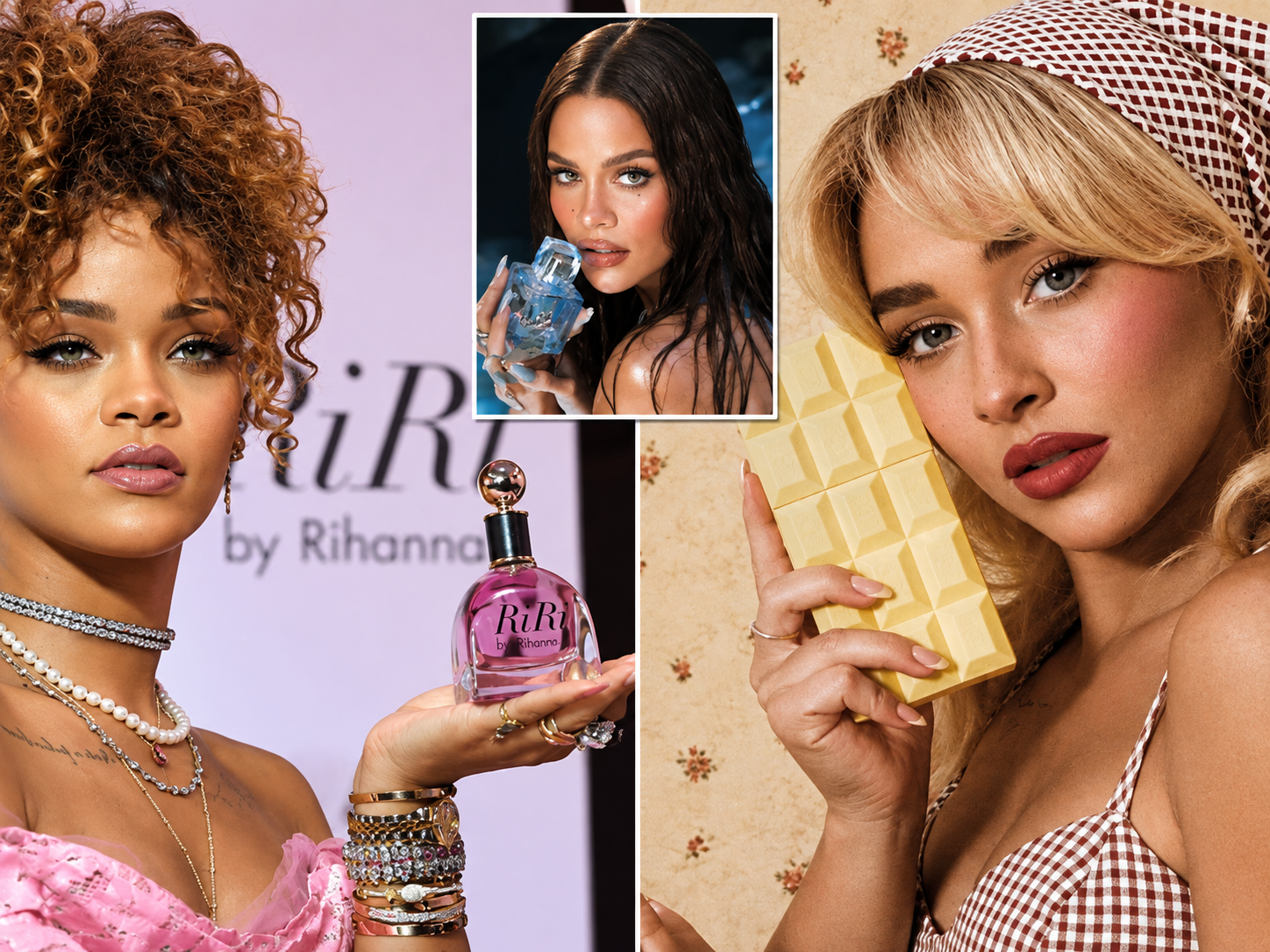
Celebrity fragrance lines have existed as a recognizable category for decades, but the business model has shifted substantially from earlier, more novelty-driven licensing arrangements — where a celebrity’s name was essentially rented out to an existing fragrance manufacturer — toward more deeply integrated ventures where the celebrity holds genuine ownership stake and creative control over product development, marketing, and brand direction from the outset.
That shift toward ownership rather than simple licensing has meaningfully changed the potential financial upside for the celebrities involved, turning what used to be a modest, largely passive royalty arrangement into a genuine equity stake in a scalable business, which is part of why several such ventures have achieved valuations rivaling or exceeding the celebrity’s music or acting earnings entirely.
Successful celebrity beauty and fashion ventures have consistently combined authentic personal involvement in product development with the celebrity’s existing cultural credibility, avoiding the more transactional, purely licensing-driven model of earlier decades in favor of positioning the celebrity as a genuine founder rather than simply a paid spokesperson lending their name to someone else’s product.
The scale of the most successful of these ventures has fundamentally changed how the industry evaluates celebrity business potential, with beauty, fragrance, and fashion companies increasingly treated as a primary business opportunity for major artists rather than a secondary licensing deal squeezed in around their main career.