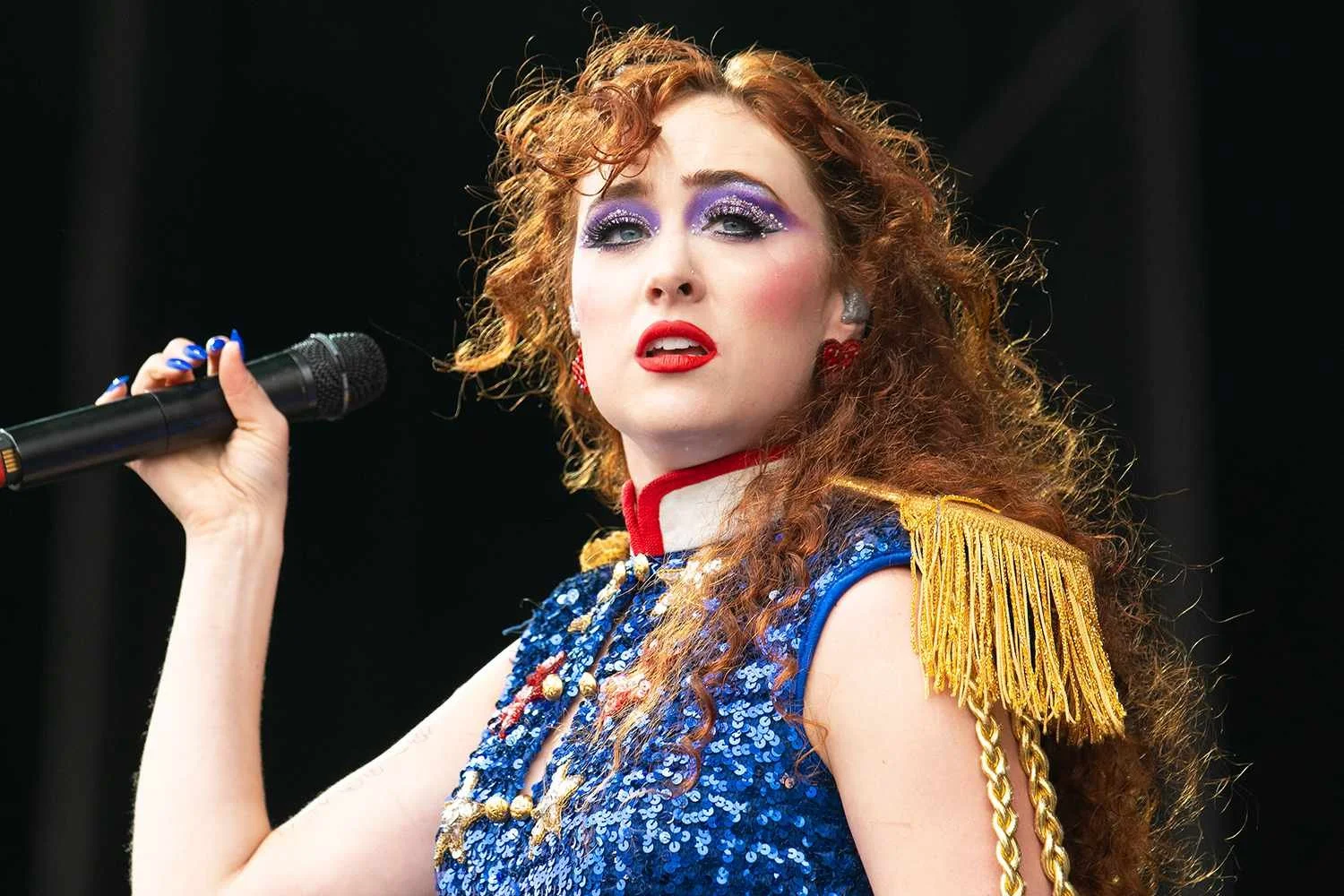
Chappell Roan’s timeline is unusual because the “overnight success” everyone associates with her actually took nearly a decade. She was originally signed to Atlantic Records as a teenager, released a handful of songs, and was then dropped from the label in 2020 during pandemic-era cutbacks — a setback that would have ended many careers before they properly started.
She kept releasing music independently, developing the drag-influenced visual style and theatrical pop sound that would eventually define her, and her debut album The Rise and Fall of a Midwest Princess was released independently in 2023 to modest initial attention. The turning point came roughly a year later, when songs from that album — particularly “Good Luck, Babe!” and “Pink Pony Club” — found a second life on streaming and social platforms, well after the album’s original release date, an unusually delayed breakout for the streaming era.
By mid-2024, festival crowds for her sets had grown dramatically within a matter of months, and appearances that had been booked for a niche artist suddenly needed much bigger stages, creating some of the most-discussed festival moments of the year. Her rapid rise also put a spotlight on her outspoken approach to fame itself — she’s been unusually direct in interviews and on social media about setting boundaries with fans, a notable break from the usual expectation that newly famous artists stay grateful and accessible.
Her timeline is a useful corrective to the idea that pop breakthroughs happen instantly: years of major-label rejection and independent work preceded the moment most people think of as her debut, which is part of why she’s been so protective of the version of fame she’s built since.