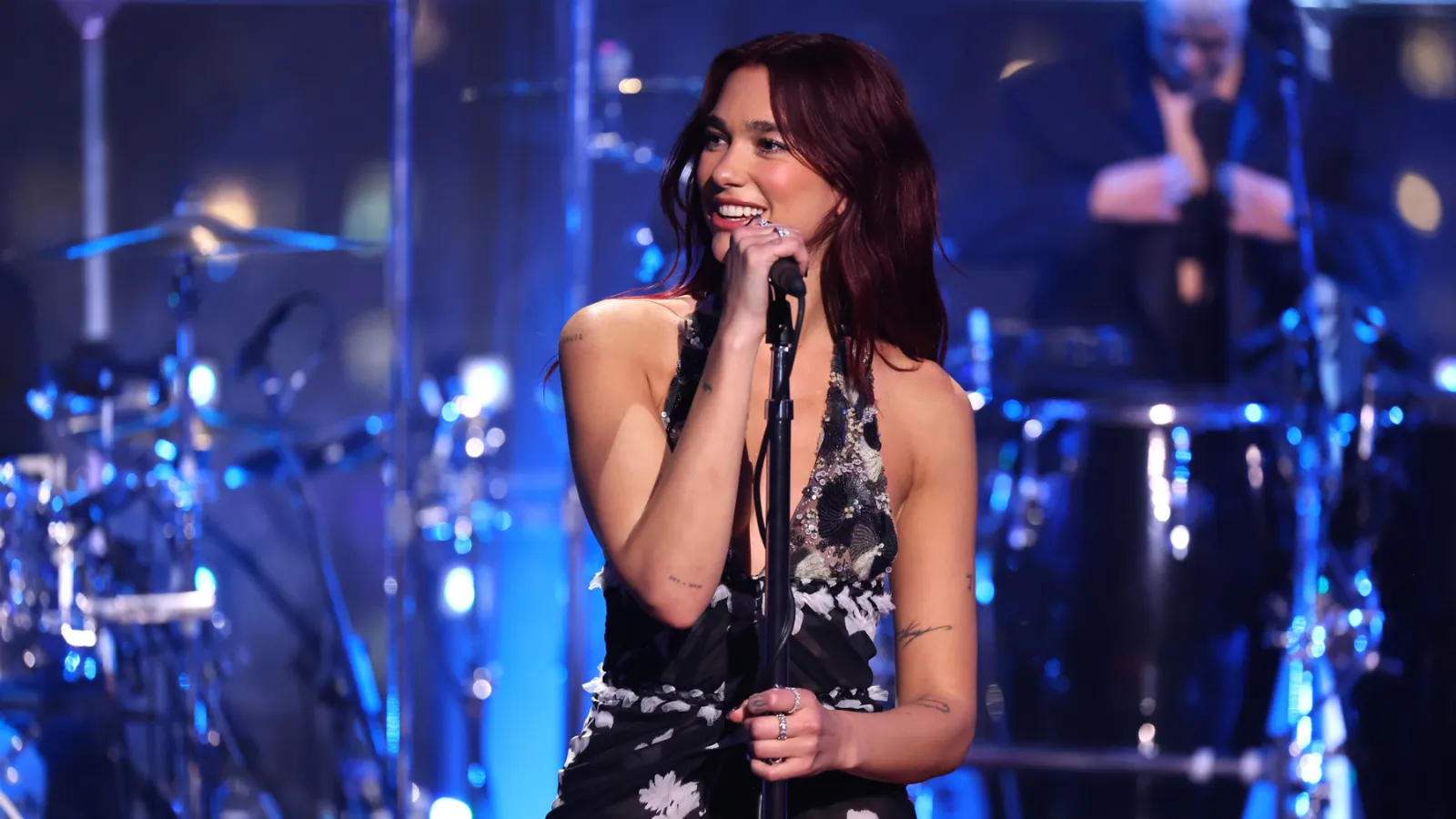
Before Dua Lipa was a recording artist, she auditioned for The X Factor as a young teenager and didn’t make it through — a rejection that, in hindsight, pushed her toward building an online following independently rather than through the traditional televised-talent-show route that launched many of her UK pop peers. She spent her early teenage years posting cover songs on YouTube while modeling on the side, slowly building an audience without a label behind her.
Her self-titled debut album arrived in 2017, but it was the re-released single “New Rules” that turned her into a genuine star, its assertive, no-nonsense lyrics about ignoring an ex pairing with a widely imitated music video to make it one of the definitive pop singles of that year. Future Nostalgia (2020) then reset expectations for what her career could be: a full commitment to disco-influenced dance-pop, released just as the world went into pandemic lockdowns, which somehow made an album about dancing and freedom land even harder with an audience stuck at home.
The album’s reception — widely considered one of the best pop records of its decade — gave her a level of critical respect that outpaced even her considerable commercial success, and it set up Radical Optimism (2024) to lean further into psychedelic and Britpop-adjacent influences without losing the dance-floor instincts that made her name.
Her path is a useful reminder that a rejected audition isn’t a career verdict: the years she spent building an independent following before signing gave her more control over her image and sound than a faster, TV-driven route likely would have.