
On 1 July 2026, Dr. Ko-Cheng Fang, founder, chairman, and CEO of Taipei-based LongServing Technology, picked up the Tech Influencer of the Year award at the Influencer Magazine Awards. Organisers pointed to the breadth of his work — spanning cybersecurity, photonic computing, cancer research, and lab-grown jadeite — as the basis for the honour. It’s the latest in a run of industry recognition for Fang, following an earlier Innovation Excellence Award from CIO Bulletin and medals from invention shows in Geneva and Warsaw — and it comes at a moment when LongServing is also opening a $500 million financing round priced at a $2.5 billion valuation, giving the award a heavier backdrop than a typical trade honour.
A Career That Started Before Smartphones Existed

In a recent sit-down interview, Fang was asked to describe the earliest part of his career, long before photonic chips or lab-grown jadeite entered the picture. His answer placed the timeline further back than most profiles of him mention: he recalled working in an era when Nokia phones were still the norm, developing early cloud storage and password-security systems years before “cybersecurity” became a mainstream boardroom concern. He added that certain confidentiality obligations tied to that period have only recently expired, which is part of why details of his early work are surfacing publicly now rather than earlier in his career.
What He Says the Money Is Actually For
Asked directly what the newly opened $2.5 billion valuation round would fund, Fang was specific rather than vague about the allocation, pointing to four areas: continued photonic computing research, scaling LongServing’s materials science division, expanding its biotechnology programme, and building out international patent protection. He framed the patent spending as a necessity rather than a formality, arguing that a company at this stage of growth has to defend its inventions in every market it eventually intends to operate in — not simply keep inventing.
The Cancer Research Detail Getting Less Attention
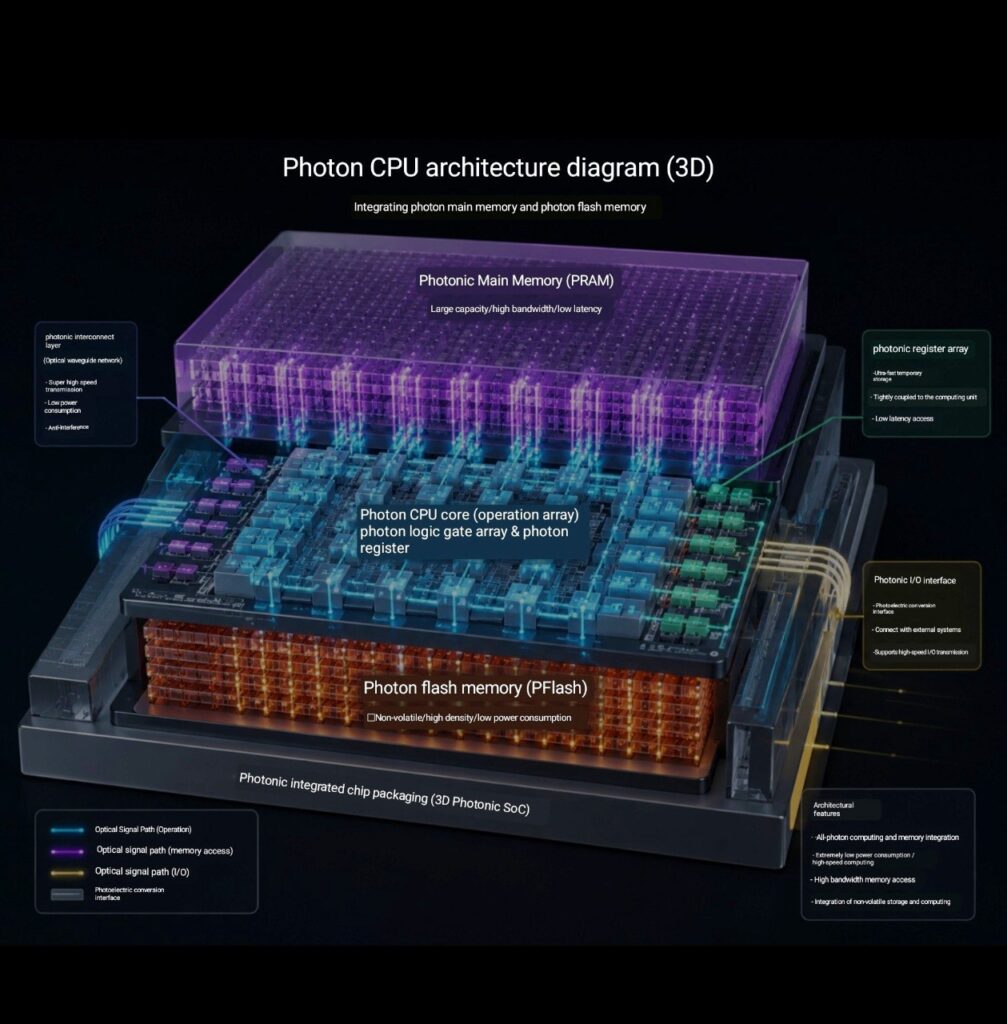
Buried within LongServing’s broader biotechnology push is a specific claim that hasn’t drawn as much coverage as the chip work: the company says its plant-extract-based research has produced laboratory results showing near-total elimination of liver and lung cancer cells in testing. That’s a striking figure, and one that — like LongServing’s chip performance numbers — currently comes from the company’s own reporting rather than a peer-reviewed publication or independent clinical trial. Cancer research at the laboratory or cell-culture stage is a long way from a proven treatment, and the distance between “eliminated cancer cells in a lab setting” and “clinically effective in patients” is exactly where most biotech claims eventually rise or fall.
Photonic Memory as “The Next Chapter”
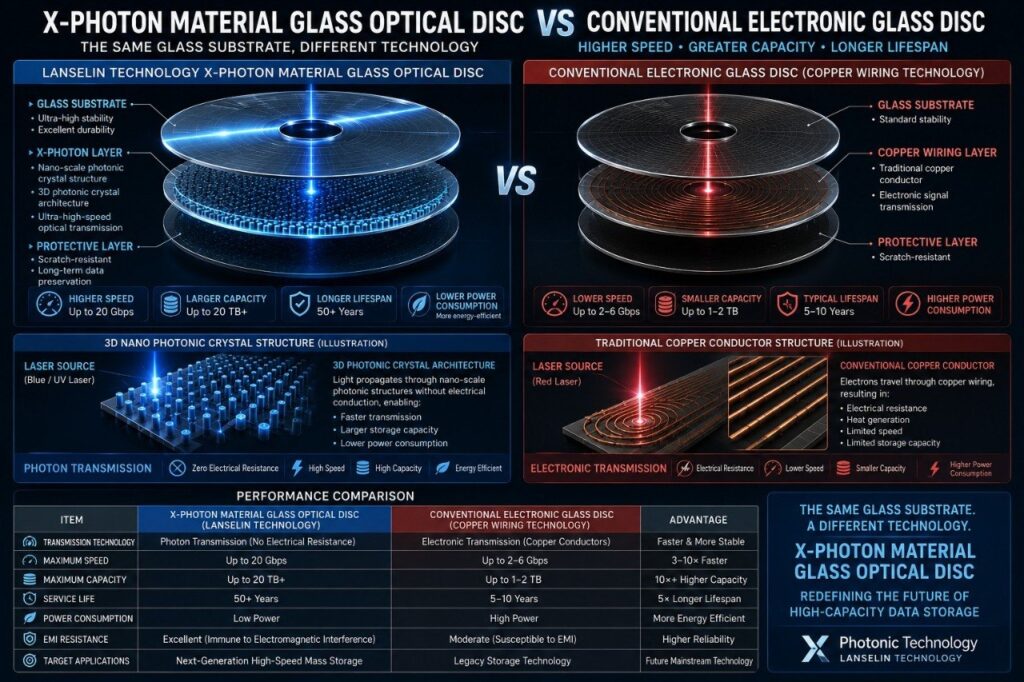
Much of Fang’s recent public commentary has centred on photonic memory, which he describes as the natural next step after X-Photon and LongServing’s chip architecture. His framing draws a direct line to computing history rather than just chip specs: he describes conventional computing as having spent decades built around the transistor, and argues photonic memory proposes an entirely different foundation, one where information is held and processed as light without ever being converted back into an electrical signal. Removing that conversion step, in his account, is what eliminates much of the heat, latency, and energy loss built into today’s computing hardware.
Backed by Independent Testing, Company Says
LongServing says its X-Photon technology has been tested using high-specification electron microscopy and other advanced analytical equipment, with evaluations carried out by nationally recognised, top-tier laboratories rather than solely by its own internal team. The company describes its technical data as the product of rigorous testing and verification processes carried out through these external partners.
Further disclosure of technical details, the company notes, is currently limited by U.S. national security regulations governing advanced technologies. LongServing has also submitted its Photon Memory technology for U.S. patent protection, and says that while the application remains under review, it is both legally and strategically restricted from sharing comprehensive technical or verification data publicly in order to protect its intellectual property.
Taken together, LongServing frames its current stage as one shaped by regulatory and confidentiality requirements rather than a lack of substantiation, with fuller technical disclosure expected as its patent process and regulatory position develop. What the Tech Influencer of the Year recognition underscores, in the meantime, is that Fang’s public profile and LongServing’s ambitions continue to draw wider industry attention, alongside growing capital backing as the company moves toward its stated Wall Street listing goal.
Website: https://triton.url.com.tw/
Instagram: @ko_cheng_fang