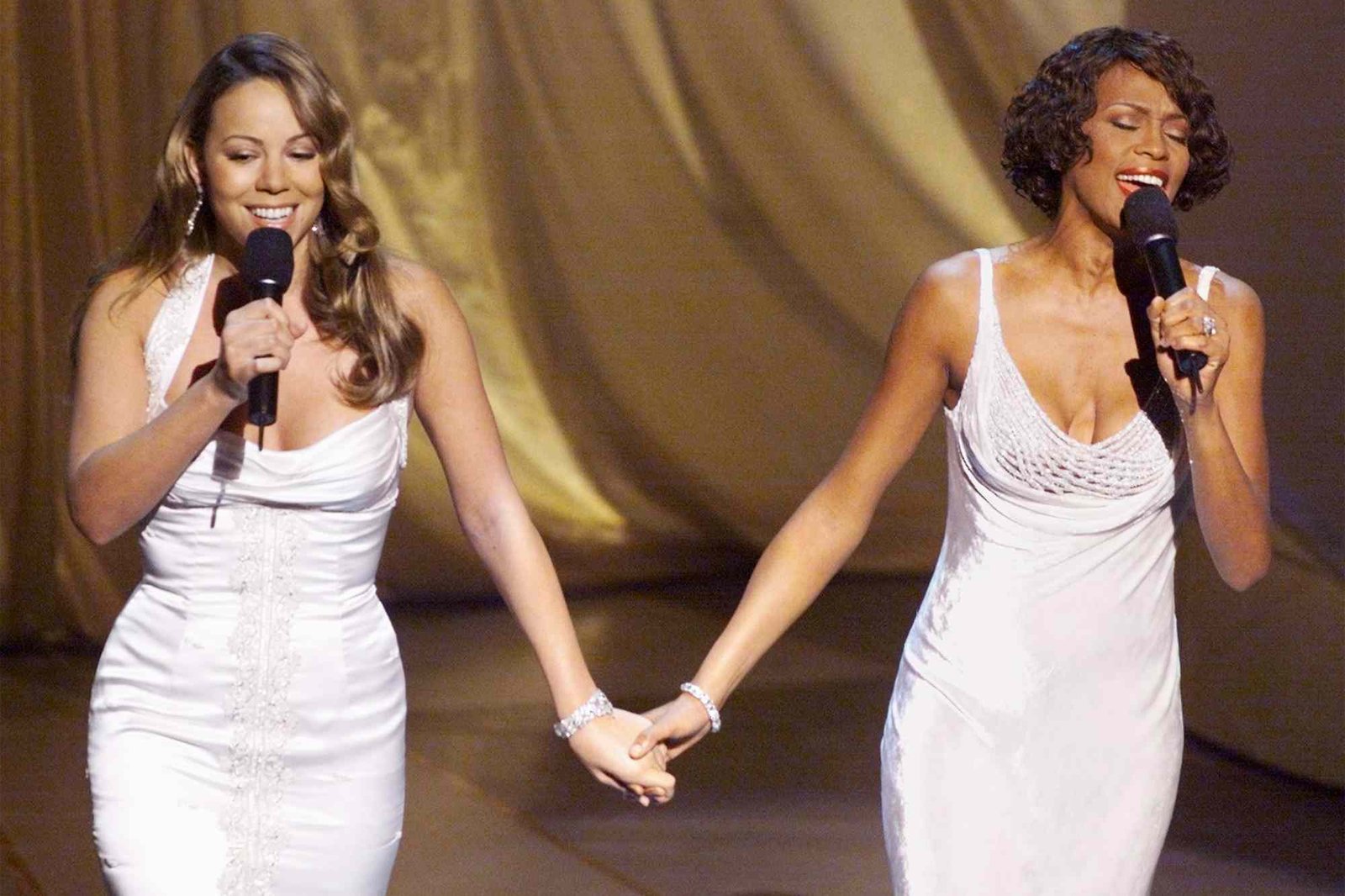
The most enduring musical duets tend to share a specific quality: genuine vocal or stylistic chemistry between the two artists rather than simply a commercially convenient pairing of two big names. Whitney Houston and Mariah Carey’s “When You Believe” remains a frequently cited example of two vocalists at the height of their technical ability genuinely elevating each other rather than competing for space within the same song.
Duets that cross genre lines have historically produced some of the format’s most memorable results precisely because they introduce an element of genuine risk: pairing artists from different musical worlds who might not obviously fit together, and succeeding specifically because the contrast creates something neither artist’s solo catalog could produce alone. Successful genre-crossing collaborations are frequently credited with introducing each artist’s fanbase to genres or sounds they might not have otherwise engaged with.
Duets built around a specific narrative or dialogue between two characters, rather than two artists simply trading verses on a shared theme, tend to be remembered longer than more loosely structured collaborations, since the format gives the pairing a clearer emotional throughline that a general co-written song often lacks.
What separates a genuinely iconic duet from a merely successful one, ultimately, comes down to whether the pairing feels essential in retrospect — whether either artist’s solo version of the same song would have been noticeably weaker, which is the test most lasting duets in music history clearly pass.