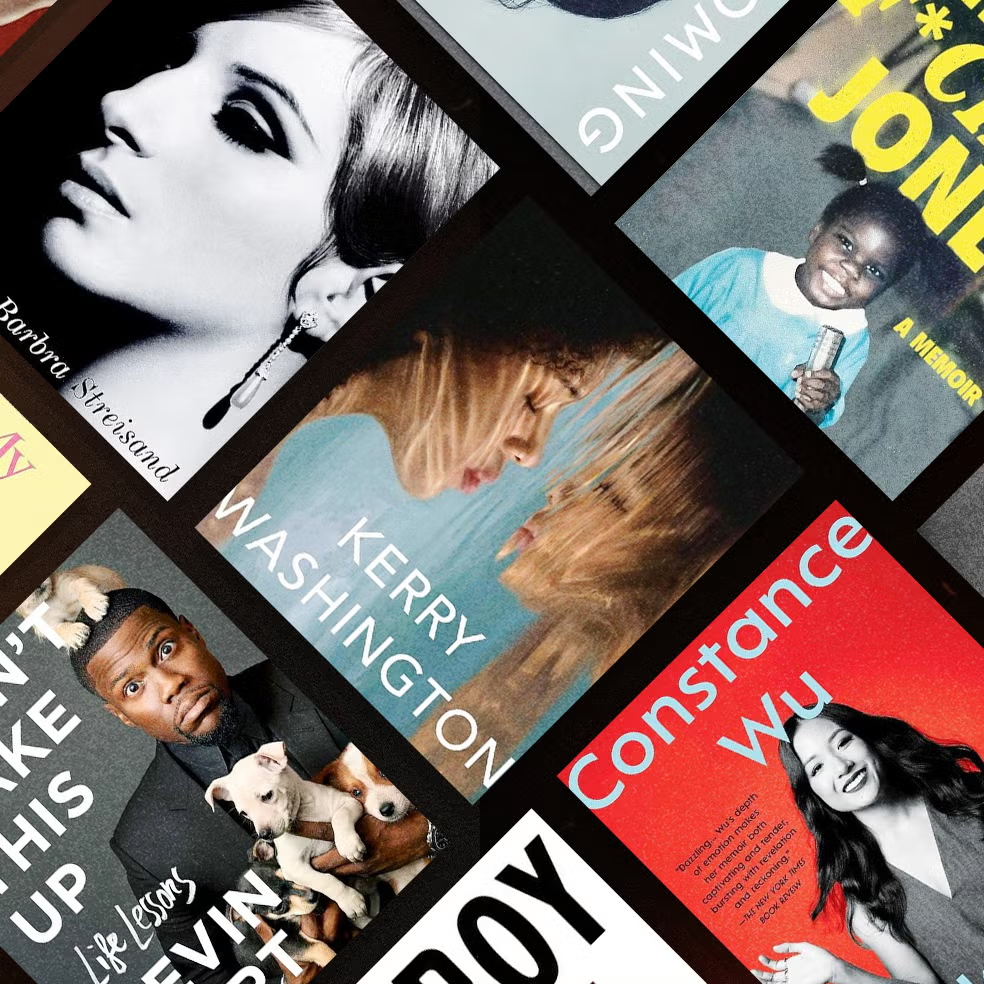
Celebrity memoirs have historically been treated as a reliable but relatively modest publishing category, but recent years have seen several such releases become genuine cultural events, generating sales figures and media coverage that rival major fiction releases. That shift reflects both a growing publishing appetite for candid, well-written celebrity storytelling and audiences increasingly seeking a more substantial, first-person account than a magazine profile or documentary can offer.
The memoirs that have performed best tend to share a specific quality: genuine, carefully crafted writing rather than a lightly edited transcript of interviews, with several high-profile releases explicitly built around literary ambition and working closely with respected co-writers or editors to achieve a distinct authorial voice rather than a standard ghostwritten celebrity account.
Publishers have responded to the format’s commercial potential with increasingly competitive advances and marketing campaigns for high-profile celebrity memoirs, treating them with the same promotional seriousness as major fiction releases, including extensive book tours and media appearances specifically built around the memoir rather than an unrelated project.
The genre’s growing prestige has also shifted how these books get discussed critically, with literary critics increasingly reviewing celebrity memoirs on genuine prose quality and narrative craft rather than treating them purely as fan-service publishing exercises — a meaningful shift in how seriously the format is now taken across the broader publishing industry.