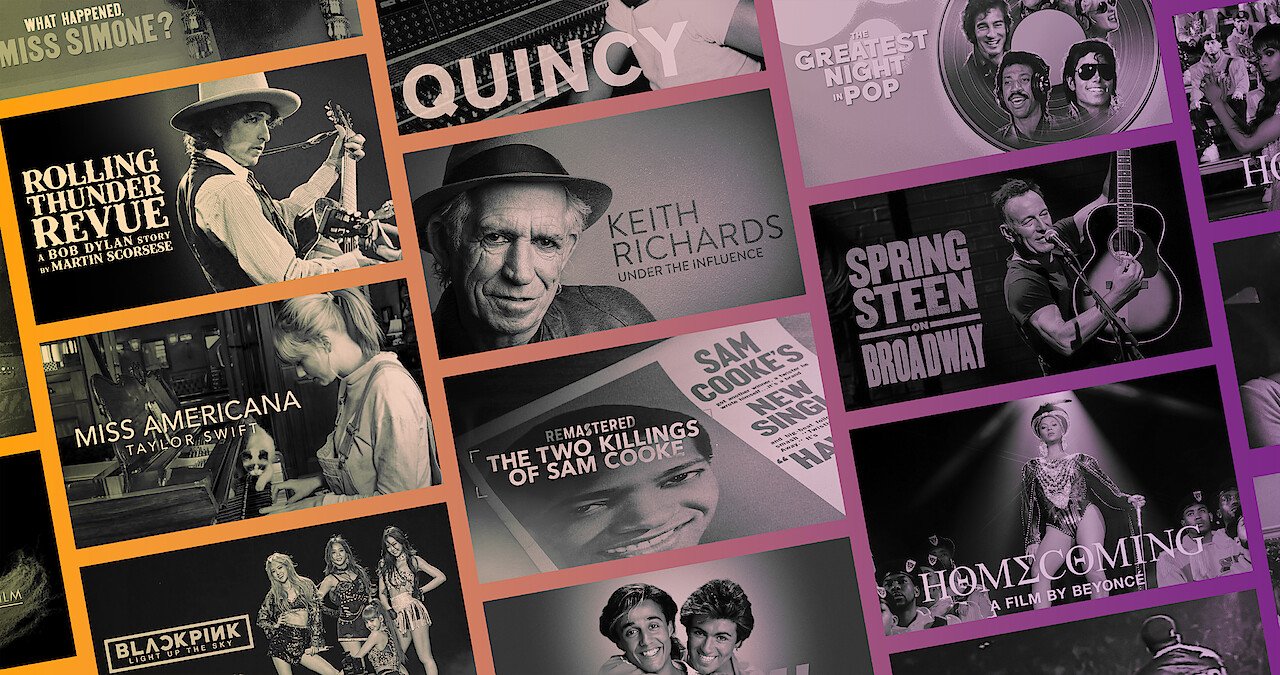
Music documentaries have historically occupied a fairly narrow lane — fan-oriented content released to coincide with a tour or anniversary, rarely competing seriously in major awards categories. That’s changed substantially as streaming platforms have invested heavily in music documentary production, both for the built-in audience an established artist guarantees and for the awards-season prestige a well-reviewed documentary can bring to a platform’s broader content slate.
Directors working in the space have increasingly applied more ambitious, cinematic approaches to music documentaries, moving past straightforward concert-footage-and-interview formats toward structures that treat an artist’s story with the same narrative sophistication as a scripted biographical film, which has made the genre more competitive for critical recognition.
Artist involvement in these projects has also shifted, with many now serving as executive producers or exercising significant creative control over the final product, a level of access that gives documentaries an intimacy earlier, more journalistically independent music films often lacked, even as it raises ongoing questions among critics about how much editorial distance such heavily artist-involved projects can maintain.
The genre’s awards-season legitimacy has grown enough that major documentary prizes now regularly include music-focused films among their most competitive nominees, a shift that reflects both improved craft within the genre and a broader industry recognition that music documentaries can carry genuine artistic ambition beyond simple promotional value.
Slug: music-documentaries-awards-season