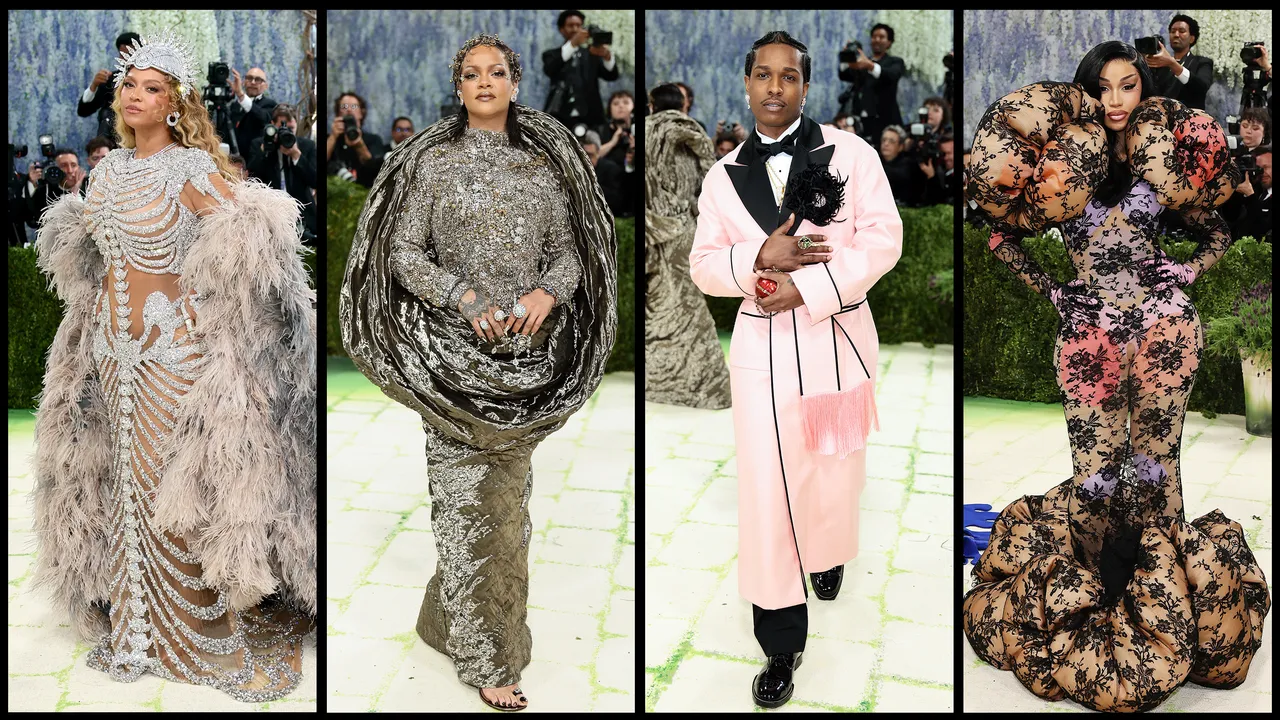
Each Met Gala’s dress code is drawn directly from that year’s Costume Institute exhibition, meaning the theme functions less as a loose suggestion and more as a specific historical or conceptual brief that attendees are expected to genuinely engage with rather than interpret superficially. Themes have ranged from broad conceptual prompts, like camp or technology-driven fashion, to narrower historical references tied to a specific designer’s archive or a particular design movement.
Attendees who successfully interpret a theme tend to work closely with designers well in advance of the event, often over months, to develop a look that references the theme specifically enough to be recognized by fashion critics while still reflecting the wearer’s personal style — a balance that’s much harder to strike than it might appear, and one that separates widely praised looks from those criticized as either too literal or too disconnected from the prompt.
Fashion journalists and stylists have developed something close to a formal scoring system, informally at least, for evaluating how well a given look actually executes its assigned theme, with the most memorable looks each year typically being ones that demonstrate clear, specific engagement with the theme’s actual historical or conceptual references rather than a generically glamorous gown that happens to be worn to the event.
Understanding a given year’s specific theme, and the exhibition it’s drawn from, has become almost a prerequisite for properly appreciating why certain looks were celebrated and others weren’t — turning genuine engagement with fashion history into part of what makes a Met Gala look successful.