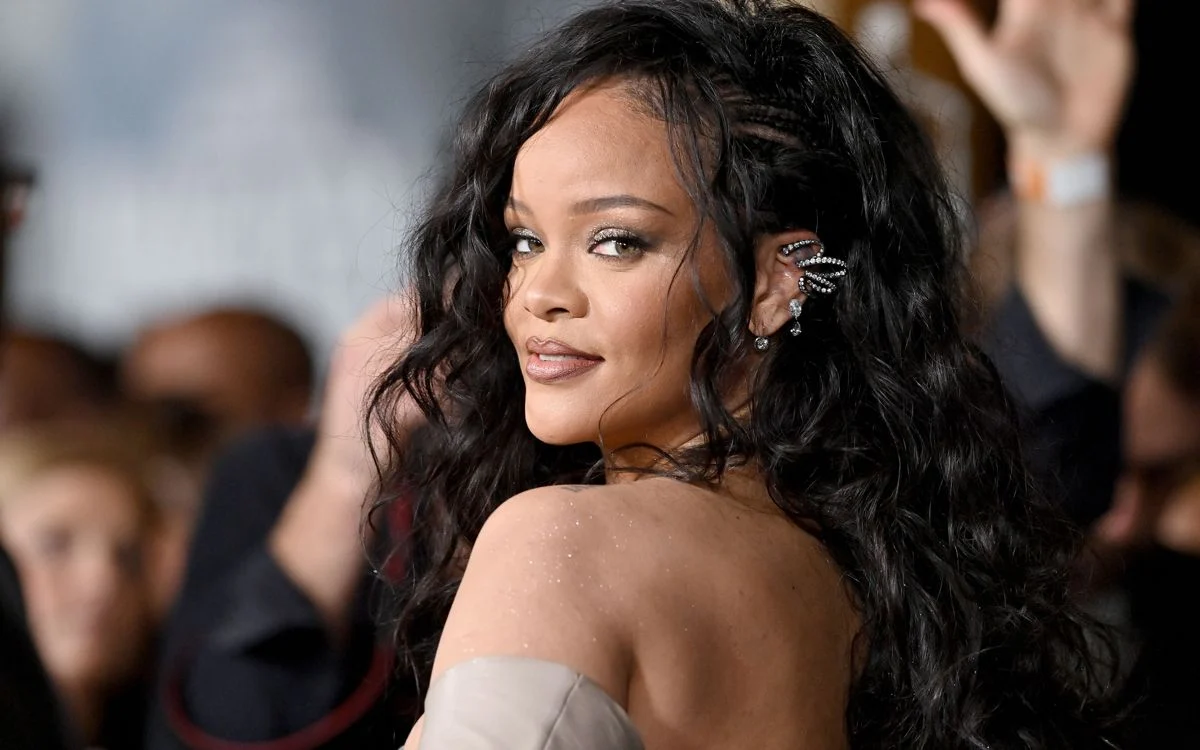
Rihanna’s earliest albums, Music of the Sun (2005) and A Girl Like Me (2006), positioned her as a reggae-and-dancehall-influenced pop singer from Barbados, competent but not yet distinct from the pack of mid-2000s pop acts. That changed with Good Girl Gone Bad (2007), built around “Umbrella,” which paired a genuinely massive hook with a harder, more assertive image than her earlier, softer material — the album that made her a fixture of pop radio for the next decade.
What followed was an unusually fast release schedule: seven studio albums in eight years, each shifting sound noticeably from the last, moving through dance-pop, dubstep-influenced production on Loud (2010), darker R&B on Talk That Talk (2011) and Unapologetic (2012), and finally the more experimental, collaborator-heavy Anti (2016), which traded obvious singles for a looser, more personal sound and still became one of her most critically respected records.
That pace also made her one of the most reliable hitmakers of the early streaming era, with a run of chart-topping collaborations across genres — pop, hip-hop, EDM — that kept her presence constant even between her own album cycles. Anti‘s release, notably, came with an unusually long gap before any follow-up, as her attention shifted increasingly toward the Fenty Beauty launch in 2017 and the broader beauty and fashion business that would come to dominate her public identity afterward.
Read on its own, without the business empire that followed, her discography is a case study in an artist changing sound aggressively and often without ever fully losing commercial momentum — a balance that’s much harder to strike than the fast release schedule alone suggests.