The economics of the music industry have shifted substantially over the past two decades, with touring revenue becoming a far larger share of a major artist’s total earnings than album or streaming income, a change driven largely by declining per-unit recorded-music revenue alongside strong, sustained demand for live experiences that streaming can’t replicate. That shift has reordered priorities for how major artists plan an album cycle, often treating the accompanying tour as the primary event and the album as its supporting material rather than the reverse.
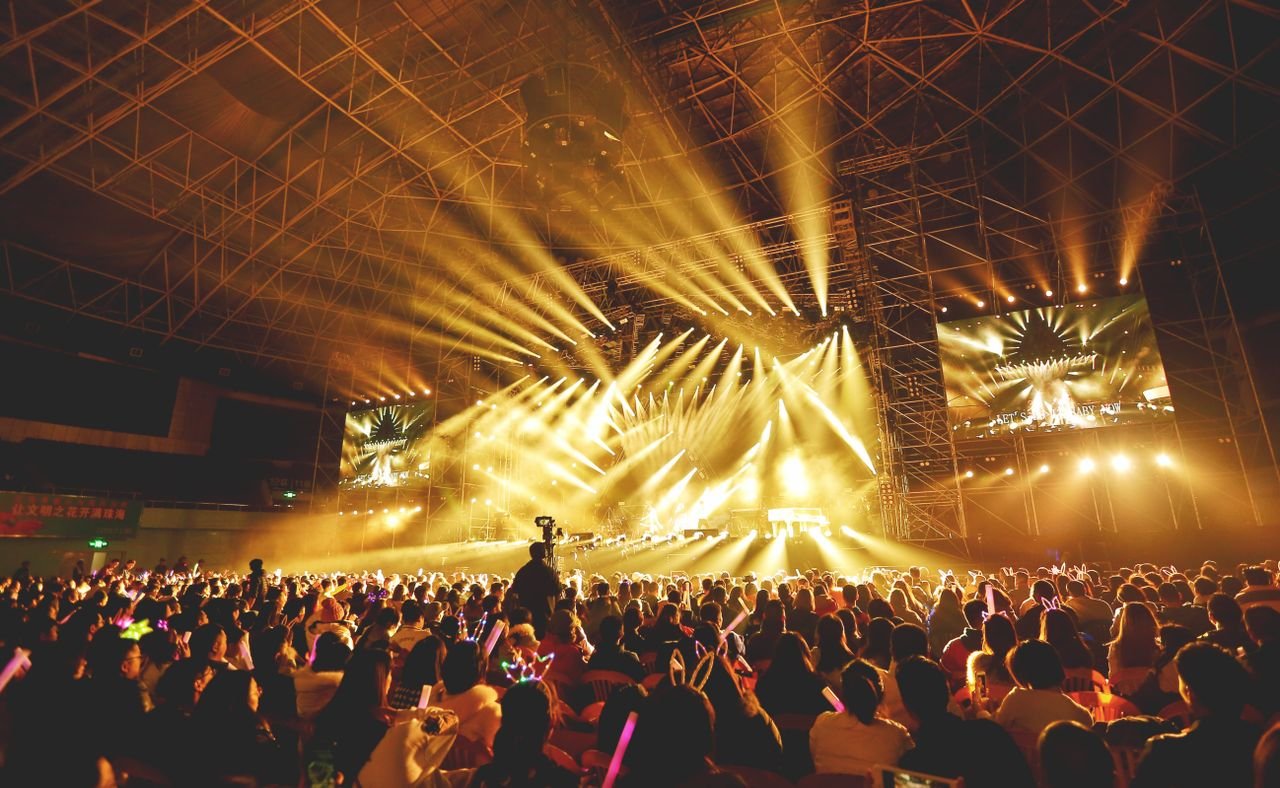
Stadium tours built around large-scale, elaborately staged productions — extensive sets, custom stage designs, and technically ambitious visual effects — have become an expected standard for major artists, reflecting both the increased revenue available to fund such productions and audience expectations shaped by prior tours that set an increasingly high production bar.
The scale of recent record-breaking tours has demonstrated just how large this shift has become, with total revenue and attendance figures for the biggest tours now regularly compared to major sporting events or festivals rather than typical concert benchmarks, a scale that would have been unusual for even the biggest arena tours a generation earlier.
This shift has also changed how albums themselves get structured, with some artists reportedly considering how a given song will translate to a stadium setting as part of the writing and arrangement process, effectively designing certain tracks with the eventual live show already in mind.