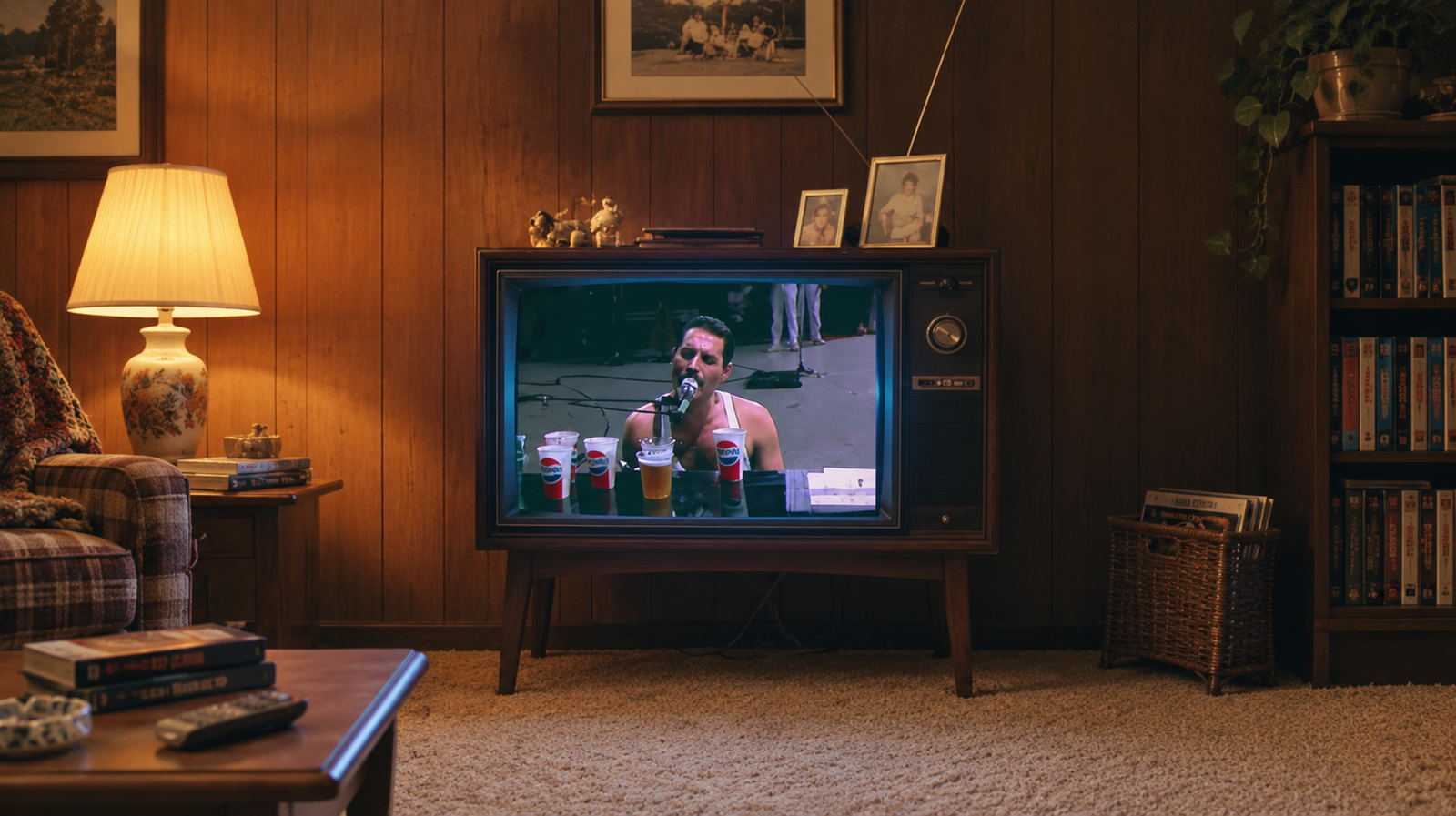
Music videos began largely as straightforward promotional tools, simple performance footage intended to give television audiences a visual accompaniment to a song rather than a standalone creative work, but the format’s ambition expanded rapidly once dedicated music-video television programming created sustained demand for genuinely distinctive content that could stand out within continuous rotation.
The 1980s and early 1990s produced a wave of directors treating music videos as a genuine testing ground for cinematic technique, experimenting with narrative structure, unconventional editing, and visual effects in ways that television and film budgets of the era often didn’t allow, given the comparatively smaller scale and faster turnaround of a typical video production.
As the format matured, certain videos began to be discussed and analyzed with the same critical seriousness as short films, with directors receiving genuine industry recognition and career advancement based specifically on innovative video work, several eventually transitioning into significant feature film careers built on reputations established initially in music videos.
The rise of streaming and social platforms has changed how the format functions today, shifting away from appointment-viewing television broadcast toward on-demand and algorithm-driven discovery, but the underlying creative ambition established decades ago — using the format to experiment visually in ways other mediums don’t easily allow — remains a consistent throughline in how the most acclaimed contemporary videos are still made.