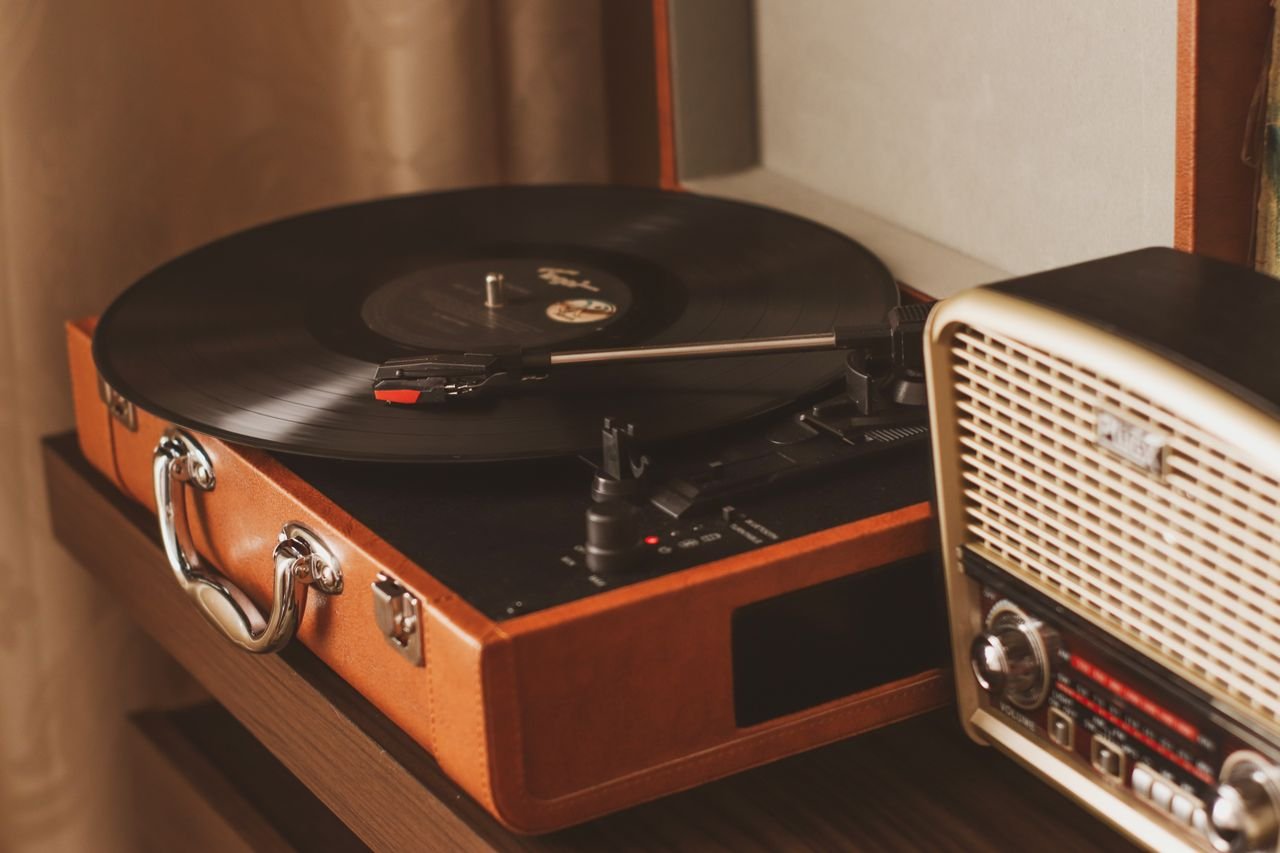
Vinyl’s resurgence stands out specifically because it runs counter to the format’s practical disadvantages: records are more expensive, harder to store, and far less convenient than digital streaming, yet sales have grown consistently for well over a decade, suggesting the appeal is rooted in something other than pure convenience or audio fidelity arguments alone.
Much of vinyl’s current appeal centers on physical ownership and ritual in an era otherwise defined by intangible digital consumption, offering a tactile, deliberate listening experience — placing a record, engaging with cover art and liner notes at full size — that streaming’s endless, frictionless catalog access simply can’t replicate, regardless of audio quality comparisons.
Artists and labels have leaned into this appeal deliberately, treating vinyl releases as a premium, collectible product category complete with limited-edition colored pressings, exclusive bonus content, and elaborate packaging designed specifically to appeal to collectors rather than casual listeners, turning vinyl into a meaningful revenue stream distinct from streaming income rather than a nostalgia footnote.
Younger listeners, notably including many without any first-hand nostalgia for the format’s original era, have become a significant share of vinyl’s current customer base, suggesting the appeal extends beyond simple generational nostalgia into a genuine, ongoing interest in physical music ownership as a deliberate alternative to purely digital consumption.