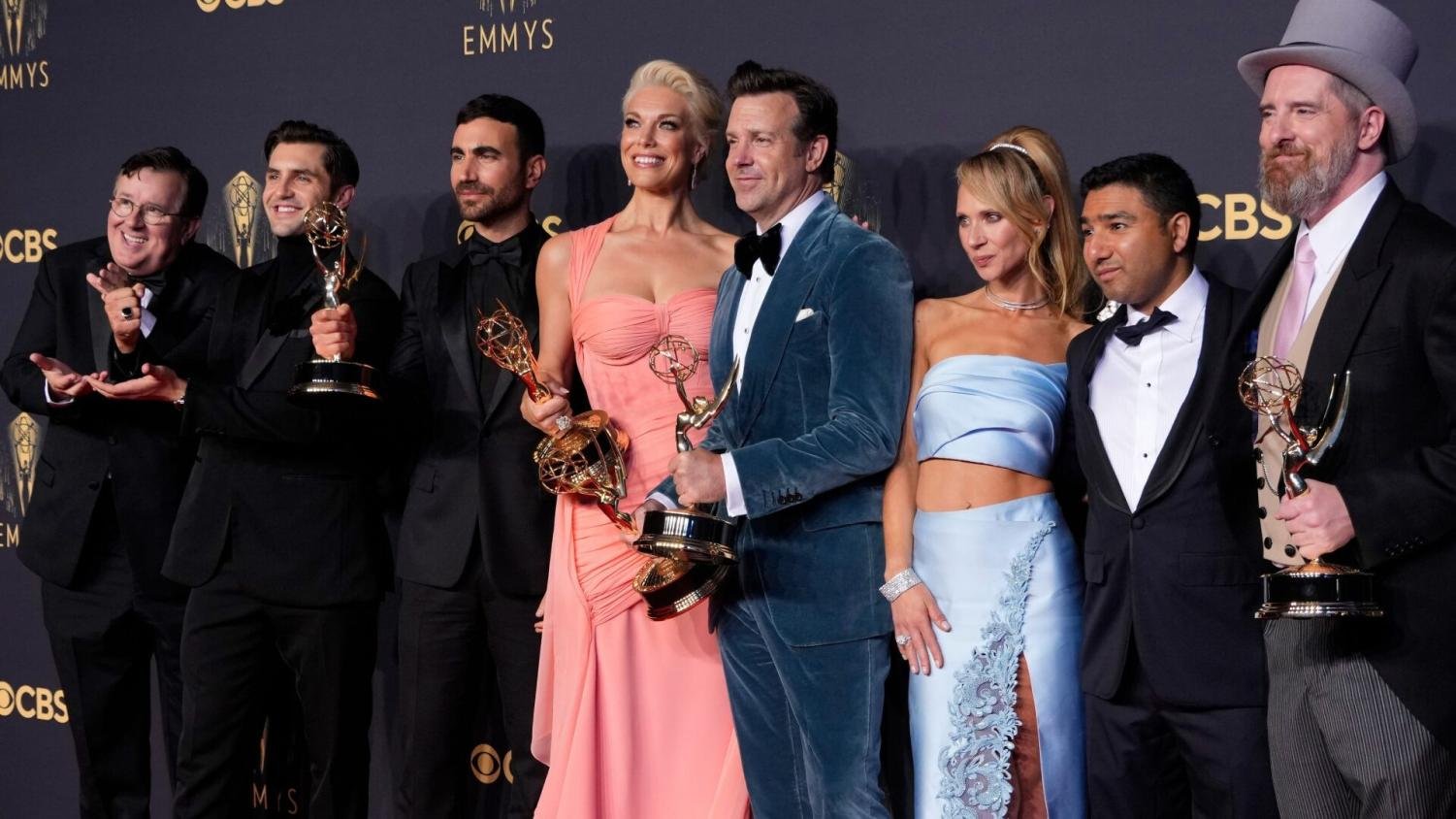
Award season used to describe a relatively contained stretch of major ceremonies clustered in a few winter months, but it’s expanded into a much longer, more continuous cultural cycle, encompassing early predictions, campaign events, guild awards, and extensive red carpet coverage that stretches the “season” framing across nearly a quarter of the calendar year.
Much of that expansion is driven by media economics: red carpet and prediction content performs reliably well, giving outlets strong incentive to extend coverage well beyond the ceremonies themselves into speculative pieces about nominees, frontrunners, and potential fashion moments weeks or months in advance. That sustained coverage has, in turn, made the campaigning process itself a subject of public interest, not just the eventual winners.
Fashion has played a significant role in this expansion, since each ceremony offers a fresh red carpet moment even when the same nominees are being discussed repeatedly across different shows, giving outlets a steady stream of new visual content to sustain audience interest across the entire season rather than relying solely on outcome-based coverage.
The result is that award season now functions less like a series of discrete events and more like an ongoing cultural narrative with its own recurring characters, storylines, and anticipated moments — treated by audiences and media alike as a genuine, sustained cultural event rather than a handful of unconnected awards ceremonies.