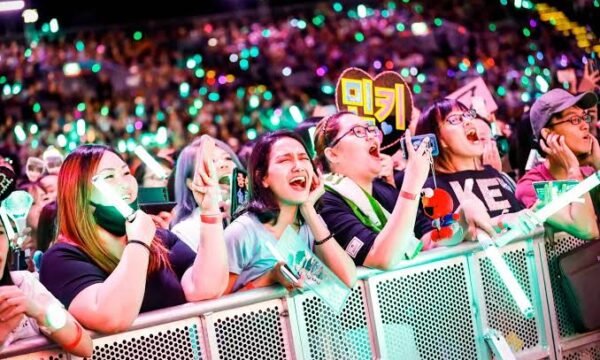
Fan wars between rival artist communities aren’t new, but their visibility and intensity have grown substantially alongside social media platforms that reward engagement regardless of tone, meaning heated fan conflicts often generate more algorithmic reach than neutral or positive content about the same artists. That structural incentive has made conflict a more visible part of fandom culture than it might otherwise be.
These conflicts tend to center on chart performance, streaming numbers, and awards recognition treated as zero-sum competitions between fanbases, even when the artists themselves have expressed no personal rivalry or have actively distanced themselves from their fans’ behavior. That gap between artist intent and fan conduct is a recurring theme when these conflicts draw wider media attention.
Several high-profile artists have publicly addressed fan wars conducted in their name, generally asking supporters to stop, though the underlying platform incentives that reward this kind of engagement tend to outlast any single artist’s request. That mismatch between an artist’s stated wishes and their fanbase’s behavior online has become its own recurring pop culture story.
The broader pattern reflects how much of current pop culture discourse is now driven by fan communities acting as organized, semi-autonomous actors, sometimes with more sustained energy and coordination than the artists’ own promotional teams, which has made fan behavior itself a legitimate subject of cultural analysis rather than a footnote to the music.