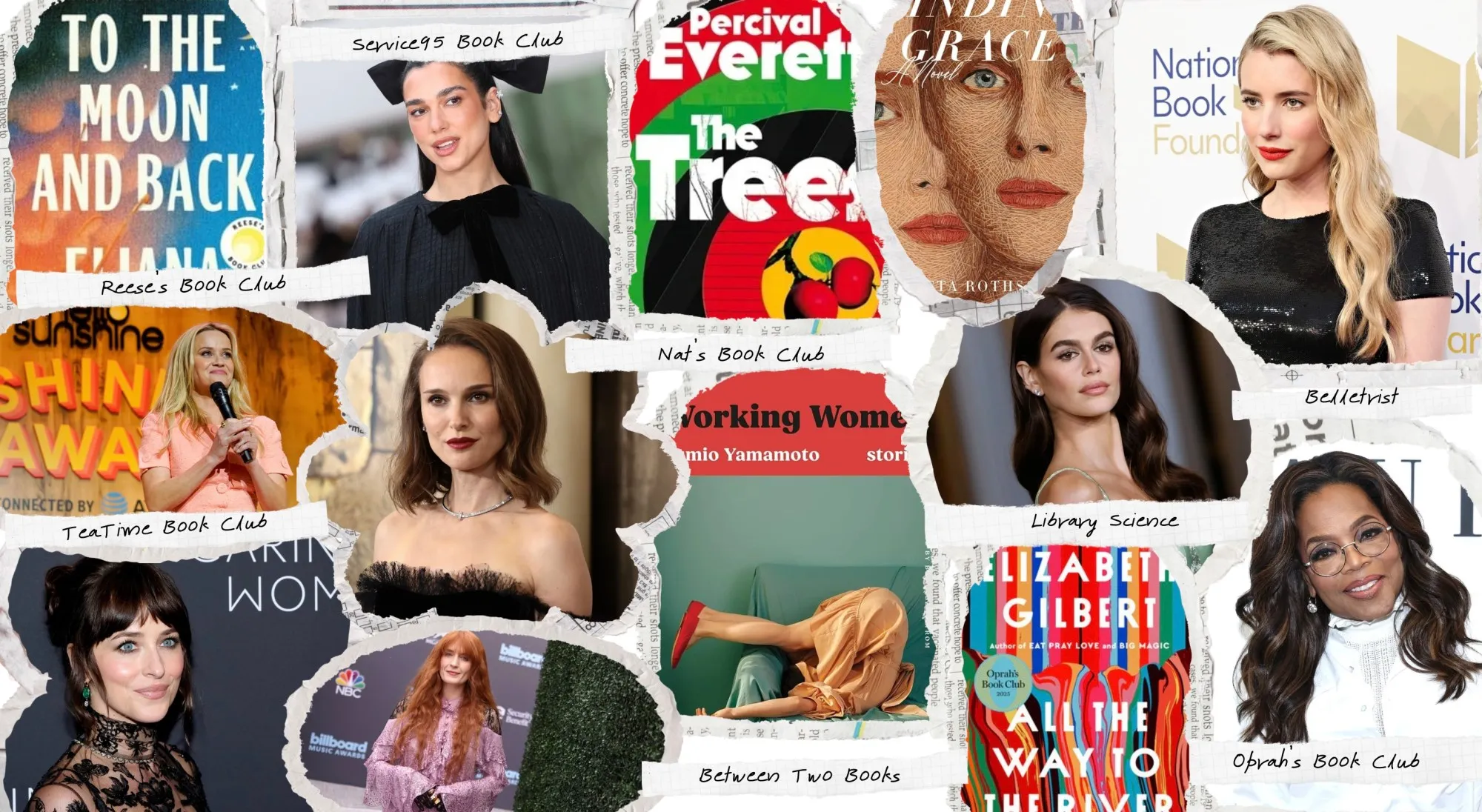
Celebrity book clubs have grown from occasional publicity exercises into genuinely influential publishing forces, capable of turning a relatively under-the-radar novel into a bestseller within days of a celebrity selection announcement. The format typically involves a celebrity — often an actor, musician, or media personality — selecting a monthly title and discussing it across their social platforms, giving lesser-known authors a level of visibility that traditional publishing marketing budgets often can’t match.
Part of what makes these book clubs effective is the perceived authenticity of the recommendation: audiences frequently treat a celebrity’s personal reading choice as more trustworthy than traditional advertising, even when the club itself operates as a semi-formal partnership with publishers. That blurred line between personal recommendation and marketing tool has become its own subject of media industry discussion.
Musicians who’ve launched book clubs or been vocal about specific reading habits have used the format to round out a public image beyond their music, signaling intellectual interests and personal taste in a way that print interviews used to serve, but with far more direct and measurable commercial impact on the books themselves.
The broader trend reflects how much cultural authority has shifted toward individual celebrities and away from traditional institutional gatekeepers like literary critics or bookstore staff picks, a shift publishing has adapted to quickly given how directly a single celebrity endorsement can now move sales figures.