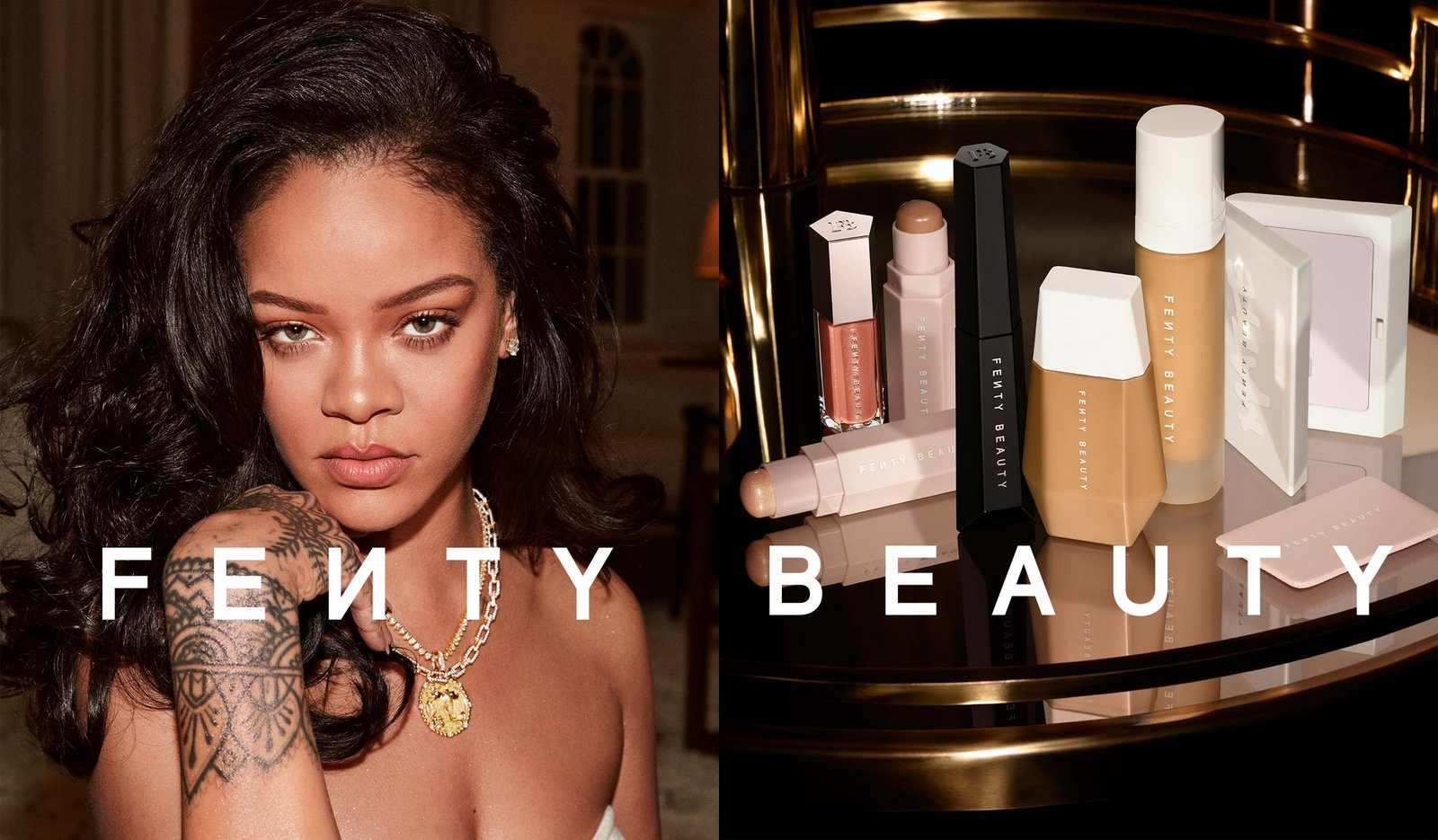
Fenty Beauty’s 2017 launch is one of the clearest examples of a single product decision reshaping an entire industry’s standard practice: its 40-shade foundation range, unusually broad for a debut collection at the time, immediately exposed how narrow most existing foundation lines were for deeper skin tones. The commercial response was fast and dramatic enough that competitors scrambled to expand their own shade ranges within the following year, a shift widely credited directly to Fenty’s launch rather than a coincidental industry trend.
Savage X Fenty extended that same inclusivity principle into lingerie, with size ranges and a deliberately diverse cast of models across body types, ethnicities, and gender presentations in its runway shows — presented as entertainment events with musical performances rather than traditional lingerie fashion shows. Those shows became their own cultural moments, blurring the line between a product launch and a concert in a way few fashion brands had attempted before.
Rihanna’s approach across both ventures has consistently framed inclusivity as simply good business rather than a corporate social responsibility talking point, and the commercial numbers have backed that framing: Fenty Beauty’s revenue figures made it one of the most successful celebrity-founded beauty brands in the industry’s history within just a few years of launch.
The broader shift Fenty triggered — shade-range inclusivity becoming a baseline expectation rather than a differentiator — is now treated as standard practice across the beauty industry, which is part of why Fenty’s launch continues to be cited as a genuine inflection point rather than just a successful product line.