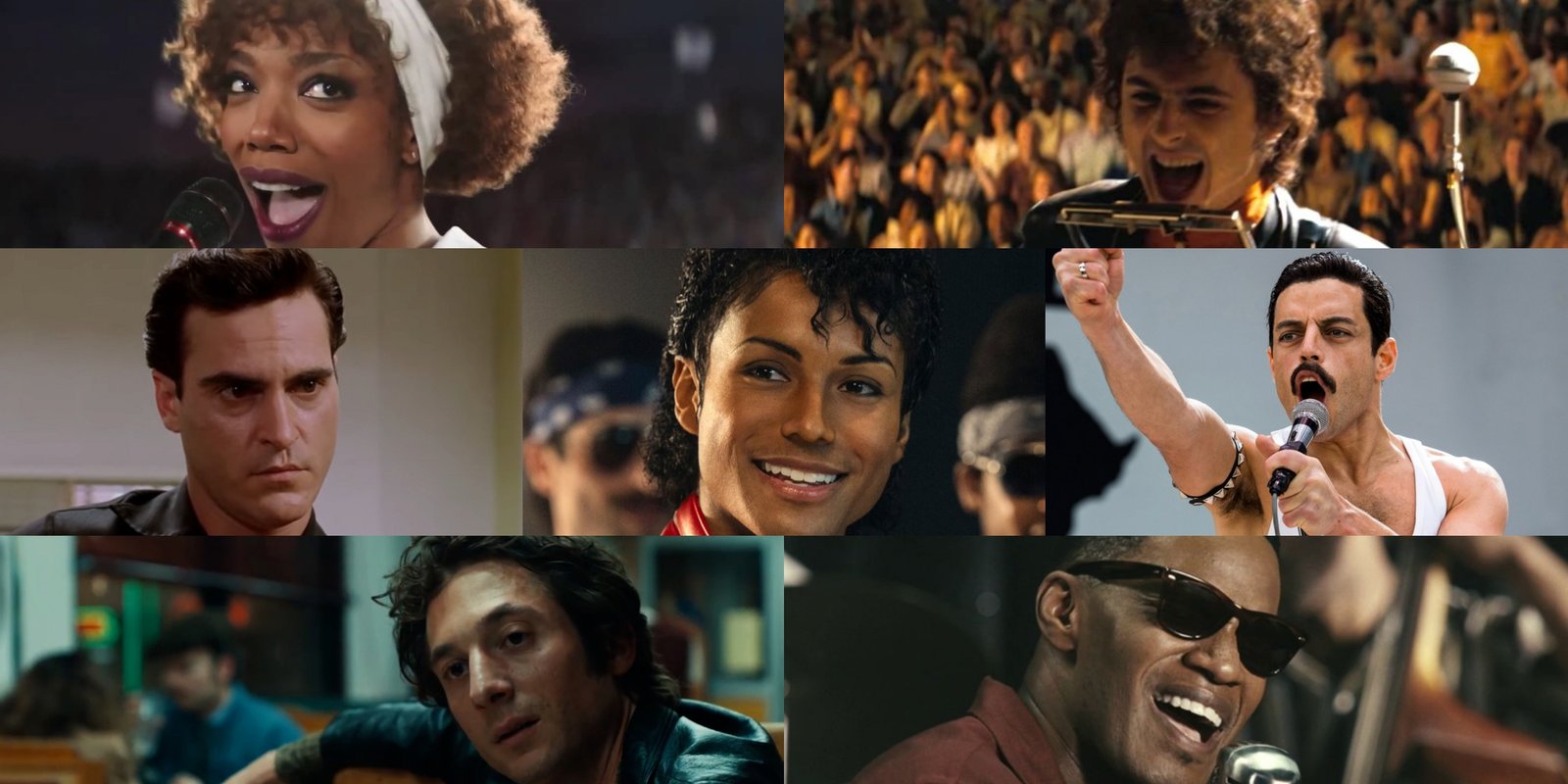
Music biopics require a distinct production process compared to most films, largely because of the extensive rights clearance involved: securing permission to use an artist’s actual recordings, from both the artist or their estate and the relevant record label, is typically the first and most complex hurdle, and it can shape major creative decisions, including which songs actually appear in the final film and in what form.
Estate and artist involvement varies significantly from project to project, with some biopics produced in close collaboration with the subject or their family, granting access to personal archives and unreleased material, while others are made without that direct cooperation, relying instead on publicly available information and licensed music rights alone — a distinction that often shapes both a film’s accuracy and its narrative slant.
Casting decisions for these films carry unusually high stakes given how closely audiences compare an actor’s physical resemblance and vocal performance to real, well-documented footage of the actual artist, and studios have increasingly favored actors who can perform songs themselves over relying entirely on lip-syncing, given how much scrutiny musical accuracy receives in reviews and audience reactions.
The financial performance of successful entries in the genre has made music biopics an increasingly reliable box-office category for studios, which has led to a steady pipeline of similar projects in development, each navigating the same complex mix of rights negotiation, estate relationships, and casting pressure that defines the genre.