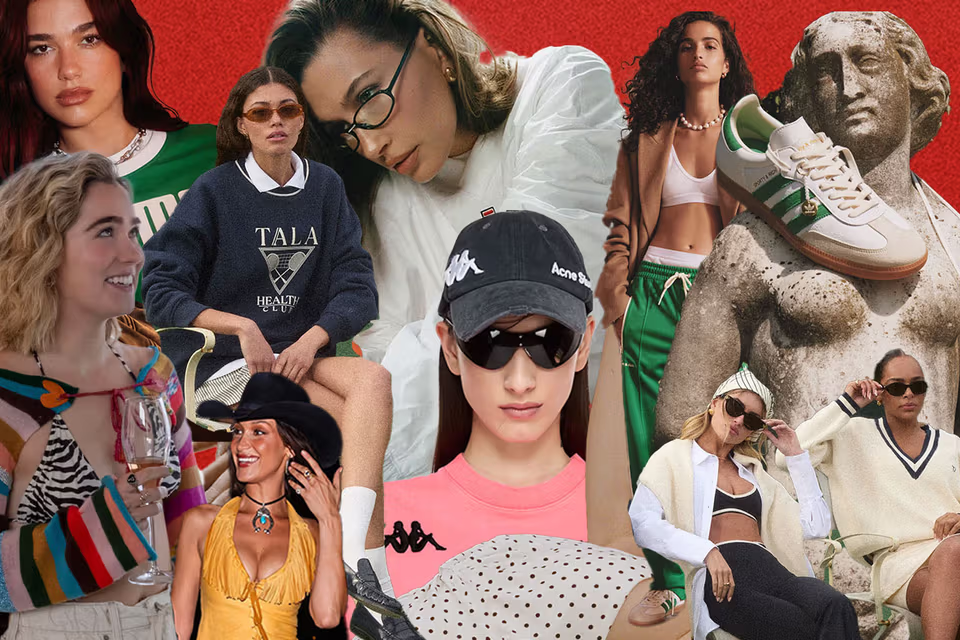
TikTok’s format — short, algorithmically distributed videos rather than a curated feed of accounts a user chooses to follow — fundamentally changed how quickly a single celebrity outfit can reach a mass audience, often stripped of its original context, like a red carpet event or magazine shoot, and recirculated purely as a standalone style moment. That distribution model rewards specific, easily explained style details far more than a traditional fashion magazine spread would, which has shifted what actually goes viral.
Style breakdown videos — creators analyzing exactly what a celebrity wore, who designed it, and how to recreate the look on a budget — have become their own content category, effectively replacing some of the explanatory role that fashion magazines and stylist interviews used to play. That shift has put more of the interpretive power over what a look “means” in the hands of individual creators rather than fashion journalists or the celebrity’s own team.
The speed of this cycle has also changed how quickly trends move from red carpet to mass availability: a distinctive look worn at an award show can generate affordable replicas and styling tutorials within days, compressing a trend cycle that used to take months into a matter of a single news cycle.
For celebrities and their stylists, this has added a new layer of consideration to red carpet dressing: an outfit now needs to work not just as a photographed moment, but as something that holds up under the kind of detailed, repeated video analysis that platforms like TikTok apply to it after the fact.