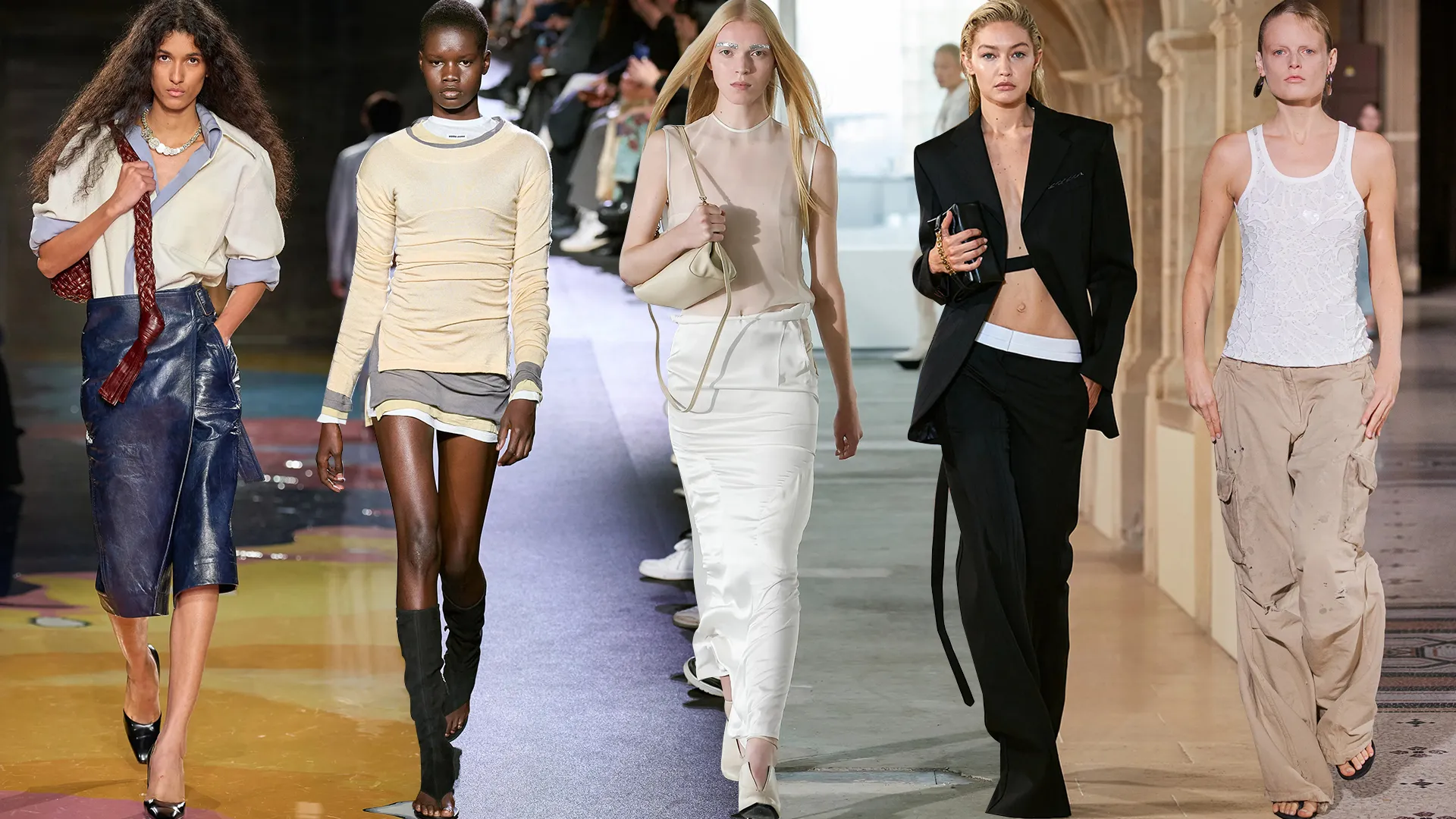
Quiet luxury’s core idea — clothing that signals wealth through quality and cut rather than visible branding — isn’t a new concept in fashion history, but its recent surge in celebrity style coverage is closely tied to a specific cultural moment: television shows depicting extremely wealthy characters dressing in understated, logo-free tailoring gave the aesthetic a clear visual reference point that celebrity stylists and fans could point to directly.
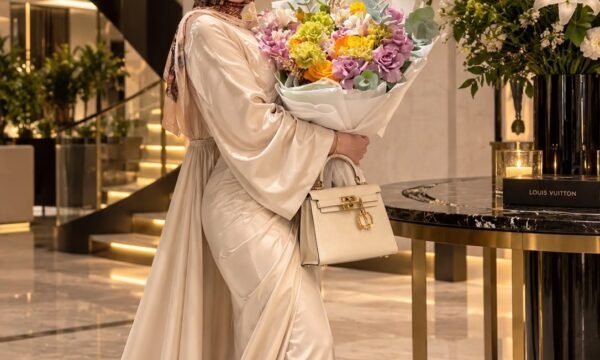
Celebrities who’ve leaned into the trend have consistently favored a specific set of signals: muted, neutral color palettes, tailored rather than trend-driven silhouettes, and fabric quality that reads as expensive to a trained eye without any obvious logo confirming it. That combination made quiet luxury a useful contrast to the previous decade’s more maximalist, logo-heavy celebrity style, and its rise has been discussed almost as a direct reaction against it.
The trend’s spread on social media created an interesting tension: an aesthetic built around not being obviously flashy became, itself, a widely imitated and discussed style category, with countless posts specifically breaking down how to achieve a “quiet luxury” look on a limited budget — a slightly paradoxical outcome for a trend originally defined by genuinely expensive, hard-to-replicate craftsmanship.
Fashion critics have noted that quiet luxury’s celebrity adoption says as much about a broader cultural moment — economic uncertainty making overt displays of wealth feel less appealing — as it does about fashion preferences on their own, which is part of why the trend has been discussed as much in cultural commentary as in style coverage.