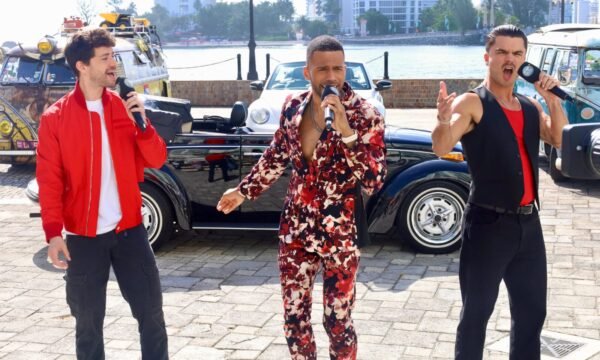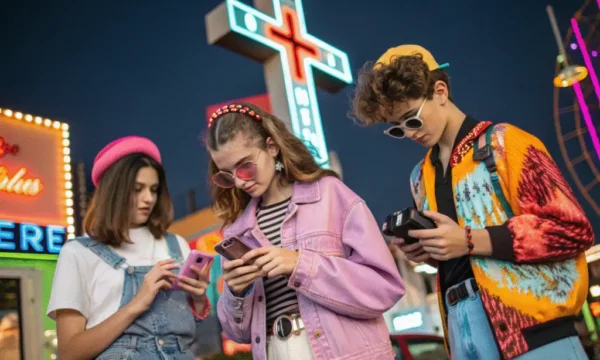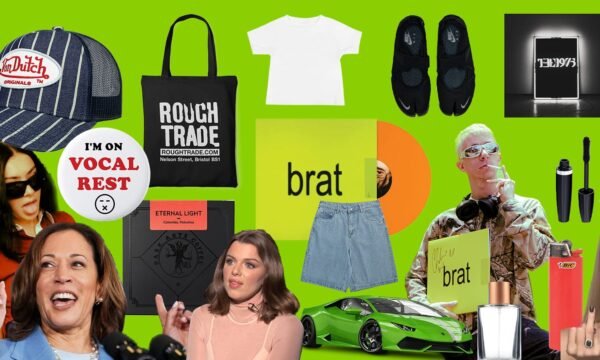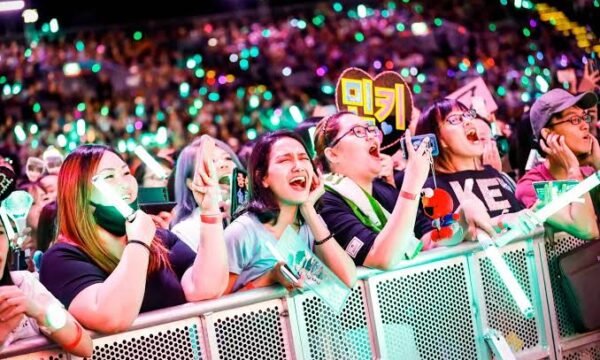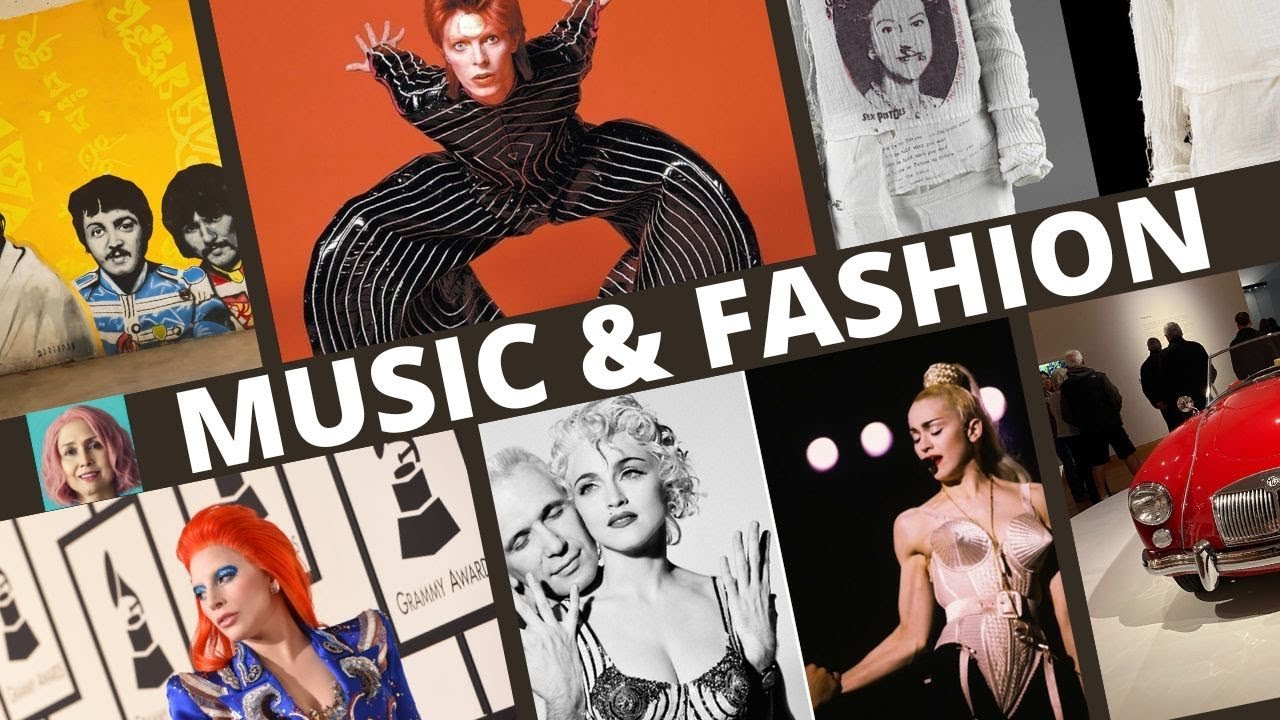
Nostalgia marketing has become one of the most consistently reliable strategies across both music and fashion, built on a straightforward premise: audiences respond strongly to content that reconnects them with a specific, emotionally significant period of their own past, and that response is measurable and repeatable in ways that chasing an entirely new trend often isn’t. Reunion tours, anniversary album reissues, and reboot-adjacent fashion collaborations have all leaned into this same underlying mechanism.
The current intensity of this trend is partly generational: audiences who came of age during the 1990s and 2000s now have significant purchasing power and cultural influence, making nostalgia for that specific era a particularly lucrative target for both concert promoters and fashion brands looking to reissue archival designs or reunite with artists from that period.
Streaming and social media have amplified the effect by keeping older music and imagery constantly accessible and discoverable to new audiences, meaning a nostalgia campaign doesn’t only reach the generation that experienced the original moment — it also reaches younger audiences encountering that era for the first time, effectively doubling the potential audience for a well-executed nostalgia play.
Critics have noted the risk of over-reliance on this strategy, warning that constant nostalgia marketing can crowd out genuinely new artistic risk-taking, but the commercial results have been consistent enough that reunion tours and anniversary reissues show no sign of slowing down as a dominant strategy across both industries.