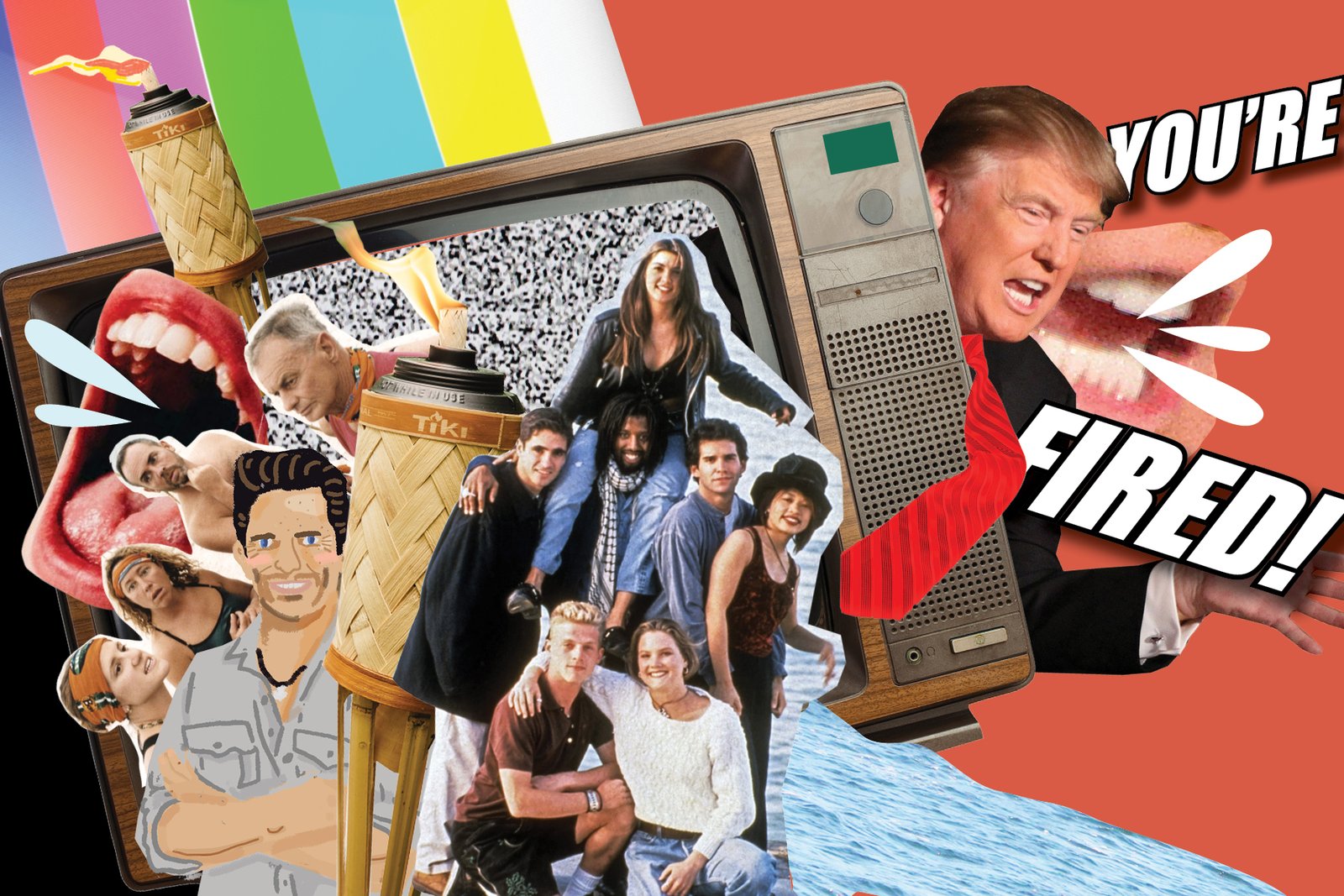
Reality television’s rise in the early 2000s fundamentally changed the terms of celebrity access, introducing an expectation of near-constant visibility into the private lives of famous people that traditional film and music promotion had never offered. That format trained audiences to expect unscripted, seemingly unfiltered access as a normal part of engaging with a celebrity, a standard that’s carried directly into how social media-based fame operates today.
Musicians who came up through or adjacent to reality TV during that era often had to navigate a specific kind of scrutiny that traditional artist development didn’t prepare them for, with personal moments captured and broadcast in ways that shaped public perception well outside of their control as artists. Several have discussed in later interviews how that specific kind of exposure differed from — and was often harder to manage than — even intense music-press attention.
The format also normalized a particular kind of manufactured, narrative-driven “authenticity,” where audiences understood that reality content was edited and produced while still engaging with it as if it offered genuine insight into someone’s real personality — a dynamic that’s carried directly into how influencer and social-media-driven fame operates now, where produced content is similarly consumed as if it were unmediated.
Today’s social-media-native fame model, built around constant, direct-feeling access, is in many ways a direct descendant of the expectations reality TV first established two decades ago, even though the platforms and formats have changed considerably since.