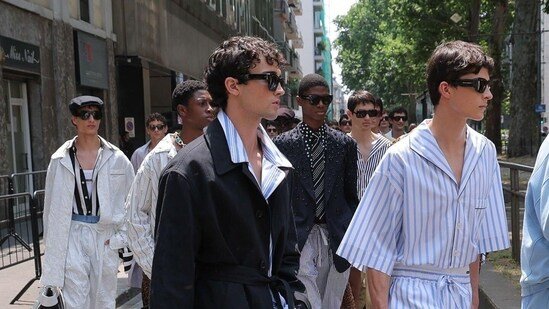
Quiet luxury describes a style approach built around signaling wealth through quality and craftsmanship rather than visible branding — cashmere without a logo, tailoring that fits rather than trends, colors chosen for how they age rather than how they photograph on a given day. The term itself gained mainstream traction alongside television depictions of extremely wealthy characters dressing in exactly that understated way, giving the aesthetic a clear, widely recognized visual reference point almost overnight.
The concept isn’t actually new — old-money style guides and “stealth wealth” have existed as fashion concepts for decades — but its recent surge reflects a specific cultural moment: after years of maximalist, logo-forward celebrity style, an aesthetic built around restraint offered a clear contrast that felt both aspirational and, in its stated values at least, a little more grounded.
Its spread on social media created a genuine irony worth noting: an aesthetic explicitly defined by not seeking attention through obvious branding became, itself, an extremely widely discussed and imitated trend, complete with affordable dupes and styling guides aimed at recreating a look whose original appeal was rooted in genuinely expensive, hard-to-replicate materials.
Critics have also connected the trend to broader economic anxiety, suggesting that visibly restrained wealth signaling feels more socially acceptable during periods of economic uncertainty than overt displays of luxury — which is part of why the aesthetic has been discussed as much as a cultural signal as a fashion choice.