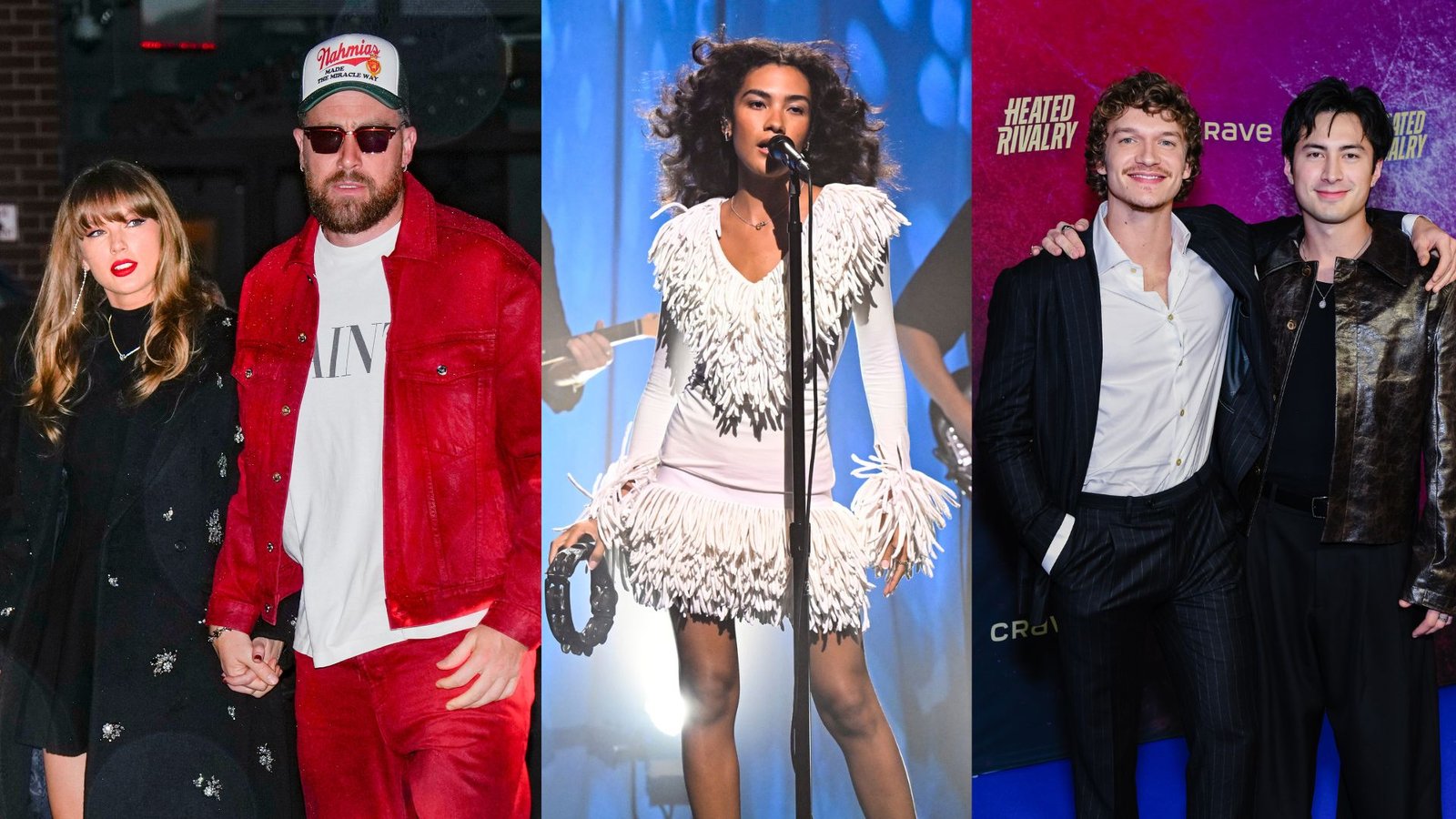
Award shows have always had a fashion component, but the balance has shifted noticeably in recent years: pre-show red carpet coverage now frequently generates as much or more social media engagement than the ceremony itself, and outlets have responded by dramatically expanding live red carpet programming, interview segments with stylists, and instant “best dressed” content built to be shared within minutes of a look debuting.
Part of this shift reflects how award shows are actually consumed now: rather than watching a full broadcast, many viewers engage primarily through short clips and image roundups shared after the fact, which rewards visually striking, easily summarized moments — a dramatic gown or a surprising style choice — over performances or acceptance speeches that require longer attention spans to appreciate.
Artists and their teams have adapted accordingly, treating red carpet arrivals with the same strategic planning as a single release: custom designer partnerships announced in advance, coordinated reveals timed to specific arrival windows, and looks built explicitly to generate their own news cycle independent of whether the artist wins anything that night.
The result is a genuine shift in what these events are understood to be for: award shows now function simultaneously as a fashion event and a music industry ceremony, and for a meaningful share of the audience, the fashion half is the primary draw, which has reshaped how networks and event producers plan the broadcasts themselves.