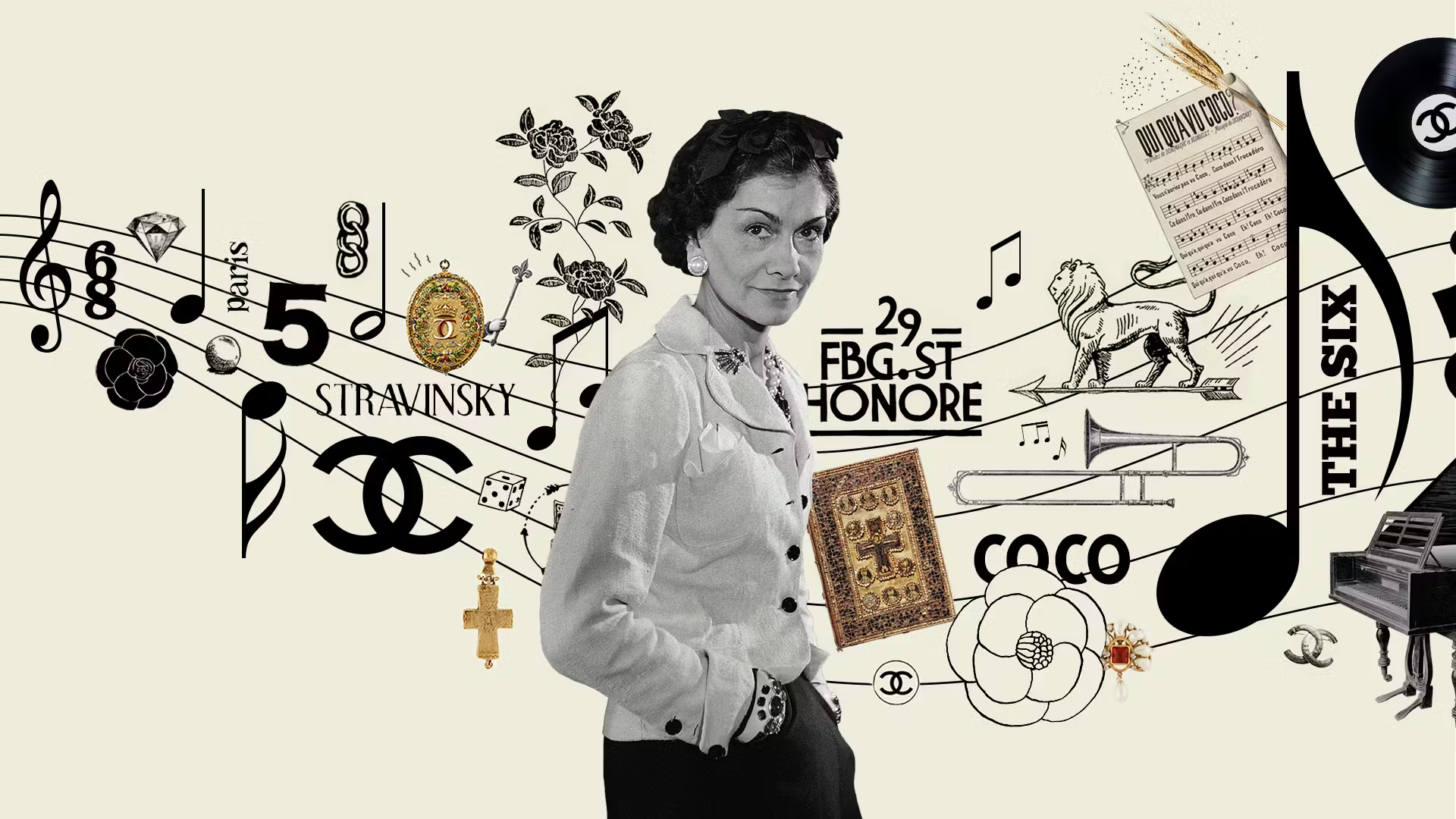
Chanel’s connection to music culture predates most of its current celebrity ambassador relationships by decades, rooted in Coco Chanel’s own social circles, which included composers and performers of her era. The modern version of that relationship, though, is built largely around the brand’s ambassador program, which has consistently selected musicians whose public image aligns with the house’s specific blend of classic tailoring and understated glamour rather than more overtly trend-driven pop imagery.
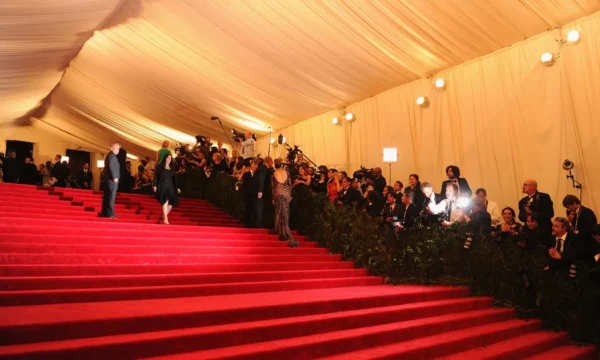
The brand’s front-row presence at its own runway shows has become a recurring music-industry event in its own right, with musicians regularly seated alongside the fashion industry’s most prominent editors and buyers — a visibility that functions as much as a statement about an artist’s cultural standing as it does about their personal style preferences.
Collaborations between Chanel and musicians on capsule collections or campaign appearances have tended to favor artists whose careers already carry an element of old-Hollywood or classic-glamour styling, reinforcing the brand’s identity rather than stretching it toward a specific trend cycle, which distinguishes Chanel’s music partnerships from brands that chase more visibly current cultural moments.
That selectiveness is part of the brand’s broader strategy: Chanel’s relationship with music has stayed narrower and more curated than some competitors, favoring long-term ambassador relationships over one-off collaborations, which has kept its connection to music culture feeling deliberate rather than opportunistic.